In-Season Fish Species in Tampa Bay During Summer
Summer in Tampa Bay sees water temperatures ranging from 80°F to 88°F, driving fish behavior as spawning peaks, migrations continue, and feeding intensifies. The following species are prime targets during this season:
- Tarpon (Megalops atlanticus)
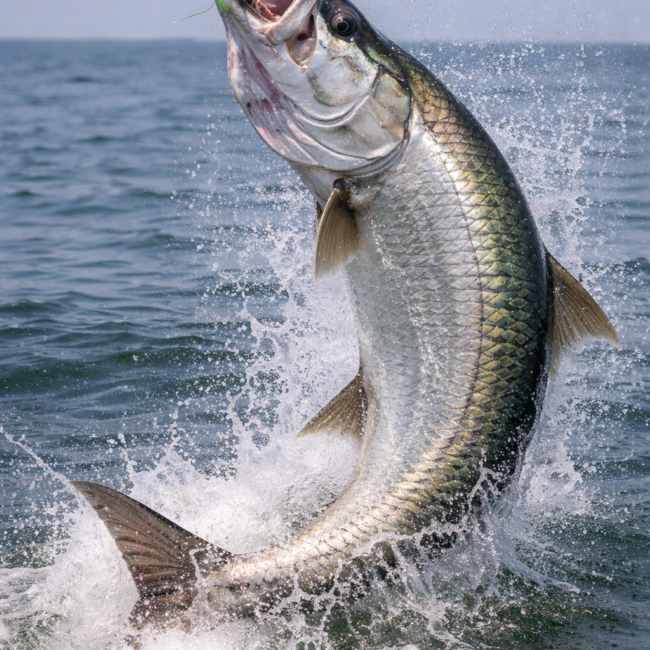
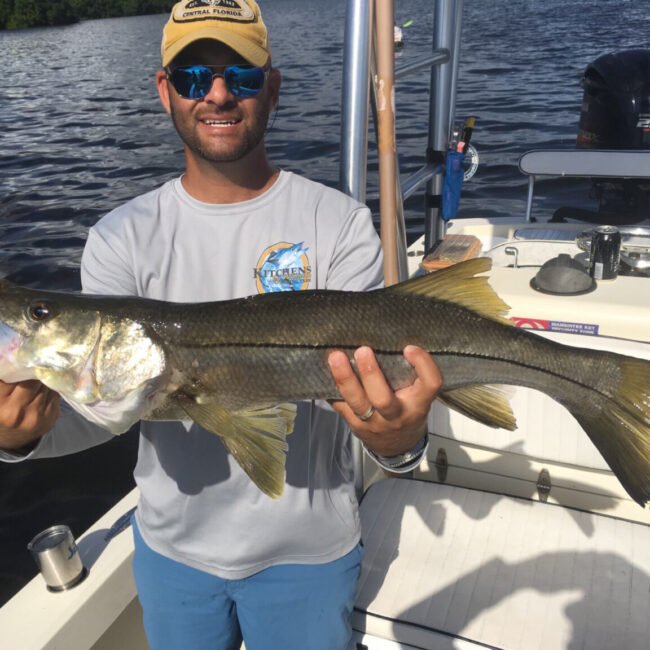
Summer is peak tarpon season, with large schools migrating through the bay’s passes and along beaches, feeding voraciously before and after spawning. - Snook (Centropomus undecimalis)
Snook are in full spawning mode, congregating near passes, beaches, and inlets, while still patrolling mangroves and flats. - Redfish (Sciaenops ocellatus)
Redfish roam grass flats and mangrove shorelines, forming schools and feeding aggressively, especially in early summer. - Spotted Seatrout (Cynoscion nebulosus)
Seatrout thrive in deeper grass flats and channels, seeking cooler waters as temperatures rise. - Spanish Mackerel (Scomberomorus maculatus)
Spanish mackerel remain abundant nearshore, chasing baitfish around reefs, piers, and channels. - Mangrove Snapper (Lutjanus griseus)
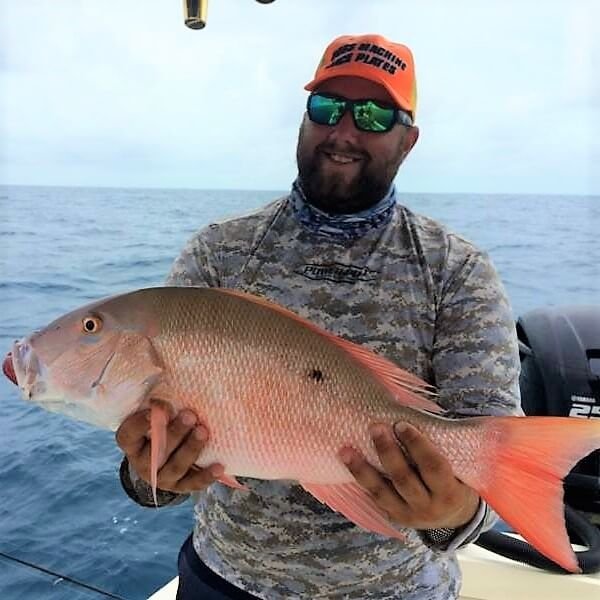
Summer brings mangrove snapper to docks, bridges, and reefs, where they feed heavily before moving offshore.
Optimal Fishing Techniques and Bait for Each Species
Success in summer requires adapting to warm water conditions and fish behavior. Below are tailored techniques and baits for each target species:
1. Tarpon
- Techniques: Focus on passes like Egmont Key, Pass-a-Grille, or the Sunshine Skyway Bridge, where tarpon stage during tidal flows. Sight-fish along beaches at dawn, casting to rolling fish. Drift with live bait or use large swimbaits, keeping the boat ready to follow hooked fish during their acrobatic fights.
- Bait: Live pass crabs, threadfin herring, or mullet are top choices. Artificials like DOA Baitbusters, Hogy Pro Tail paddletails, or large soft plastics (6–8 inches) mimic natural prey. Fly anglers can use black-and-purple or chartreuse Toad patterns.
- Tackle: Heavy spinning or conventional gear with 50–80 lb braided line and a 60–80 lb fluorocarbon leader. Use 7–8 ft rods with strong backbones and 6/0–8/0 circle hooks for live bait.
2. Snook
- Techniques: Target snook in passes and inlets during outgoing tides, where they ambush baitfish. On flats and mangroves, cast to structure or current breaks. Night fishing under dock lights is highly effective, using slow-sinking lures or live bait. Topwater lures at dusk yield explosive strikes.
- Bait: Live pilchards, pinfish, or threadfins excel. Artificials like Fluke-style jerkbaits (e.g., Zoom Super Fluke), Rapala Skitter Walk topwaters, or MirrOlure MirrOdine suspending baits are deadly.
- Tackle: Medium-heavy spinning gear with 20–30 lb braid and a 30–40 lb fluorocarbon leader. A 7–7.5 ft rod balances casting accuracy and power.
3. Redfish
- Techniques: Fish shallow flats early in the day, using a trolling motor or push pole to stalk tailing or cruising schools. Cast ahead of fish to avoid spooking them. In deeper channels or oyster bars, drift with cut bait for larger “bull” reds.
- Bait: Live pilchards, shrimp, or cut mullet work well. Soft plastics like Z-Man PaddlerZ or weedless gold spoons (e.g., Johnson Silver Minnow) are ideal for grassy areas. Use a 1/4 oz jig head for subtle presentations.
- Tackle: Medium spinning gear with 15–20 lb braid and a 20–30 lb fluorocarbon leader. Circle hooks (2/0–4/0) reduce deep hooking with live bait.
4. Spotted Seatrout
- Techniques: Drift deeper grass flats (4–8 ft) or potholes, targeting areas with strong tidal flow. Popping corks keep baits or lures in the strike zone. Jigging with soft plastics mimics baitfish in warmer waters. Avoid shallow flats midday, as seatrout seek cooler depths.
- Bait: Live pilchards or shrimp under a popping cork are highly effective. Soft plastics like Gulp! Shrimp or MirrOlure Lil John on a 1/8–1/4 oz jig head perform well. Chartreuse or white colors stand out in murky water.
- Tackle: Light spinning gear with 10–15 lb braid and a 20 lb fluorocarbon leader. A 6.5–7 ft rod offers sensitivity for light bites.
5. Spanish Mackerel
- Techniques: Troll or cast to surface-feeding schools near piers, reefs, or bait pods. High-speed retrieves with shiny lures trigger reaction strikes. Use a wire leader to prevent bite-offs. Chumming with live pilchards can keep schools nearby.
- Bait: Live pilchards or threadfins are great, but silver spoons (e.g., Clark Spoon), Gotcha plugs, or straw jigs are more efficient for covering water. White or chrome finishes work best.
- Tackle: Medium spinning gear with 15–20 lb braid and a 40 lb wire or fluorocarbon leader. Fast-action 7 ft rods aid quick casts.
6. Mangrove Snapper
- Techniques: Fish vertically around docks, bridges, or reefs with a knocker rig or free-lined bait. Use light tackle for finesse presentations, keeping baits near structure. Chumming with cut bait draws snapper out.
- Bait: Live shrimp, pilchards, or cut sardines are ideal. Small hooks (1/0–2/0) with minimal weight prevent detection. Artificials like bucktail jigs can work in deeper water.
- Tackle: Light spinning gear with 10–15 lb braid and a 20 lb fluorocarbon leader. Use small, strong hooks to penetrate their bony mouths.
Best Times of Day to Fish
Summer’s heat and intense sunlight influence fish behavior, making timing critical. Here’s when to hit the water:
- Early Morning (Dawn to 8 AM): The best window for all species. Cooler temperatures and low light drive fish to feed aggressively on flats, beaches, and passes. Tarpon, snook, and redfish are especially active, hitting topwaters and live baits. Seatrout and snapper feed in deeper waters.
- Late Afternoon to Dusk: As temperatures drop, fish return to shallows. Snook and tarpon feed heavily in passes or under dock lights. Spanish mackerel and snapper remain active around structure. Outgoing tides at dusk are prime for inshore species.
- Night Fishing: Summer’s heat makes night fishing productive, especially for snook and snapper around lighted docks or bridges. Use live bait or glowing soft plastics for best results.
- Tidal Movements: Incoming tides bring cooler water and baitfish, attracting predators to flats and mangroves. Outgoing tides concentrate tarpon and snook in passes. Fish the first two hours of either tide for peak activity.
- Avoid Midday (10 AM–4 PM): Intense heat pushes fish to deeper waters or shaded structure. If fishing midday, target snapper or mackerel around reefs or bridges, where shade and current provide relief.
Impact of Seasonal Weather Conditions
Summer in Tampa Bay brings hot, humid conditions, frequent thunderstorms, and occasional tropical systems. Understanding these factors is key to planning successful trips.
Temperature and Water Conditions
- Air and Water Temperatures: Air temperatures range from 80°F to 92°F, with water temperatures of 80–88°F. Warm water accelerates fish metabolism, increasing feeding but also pushing some species (e.g., seatrout) to deeper, cooler areas. Oxygen levels can drop in shallow flats, so focus on areas with strong tidal flow.
- Heat and Sun: Intense sunlight drives fish under mangroves, docks, or into deeper channels midday. Use polarized sunglasses to spot fish in shallows and target shaded areas. Early or late trips avoid heat stress for both anglers and fish.
- Rain and Storms: Afternoon thunderstorms are common, often forming by 2 PM. Light rain can concentrate baitfish, but heavy rain increases runoff, clouding water and lowering salinity. After storms, fish passes or nearshore waters where clarity is better. Check radar apps like AccuWeather to time trips.
Wind and Tides
- Wind: Light to moderate winds (5–15 mph) create chop, disorienting baitfish and making predators less cautious. Strong winds (>20 mph) from tropical systems can muddy flats or make boating unsafe. Fish wind-protected shorelines or use drift techniques to cover water.
- Tides: Summer’s strong tides, especially around new and full moons, drive baitfish movement. Incoming tides are best for flats fishing, while outgoing tides concentrate fish in passes. Use apps like TideChart or Navionics for precise tidal data.
Barometric Pressure
- Falling Pressure: Pre-storm pressure drops trigger feeding frenzies, especially for tarpon and snook. Fish these windows with fast-moving lures or live bait.
- High Pressure: Post-storm high pressure can slow bites. Target deeper waters or use slower presentations to entice cautious fish.
Tropical Systems
- Hurricanes and Tropical Storms: Late summer (August) increases the risk of tropical weather. Pre-storm conditions can spark epic bites, but prioritize safety. Post-storm fishing can be excellent as fish reposition, but avoid turbid, debris-filled waters. Monitor NOAA or Weather Underground for updates.
Additional Tips for Summer Fishing Success
- Explore Key Locations: Tampa Bay’s summer hotspots include Cockroach Bay for redfish, the Gandy Bridge for snapper, and Anna Maria Island for tarpon. Use Navionics or Fishbrain to pinpoint structure and depth changes.
- Match the Hatch: Mimic prevalent baitfish like pilchards, threadfins, or crabs with lures or live bait. Greenback or whitebait schools are common in summer—net your own or buy from local bait shops.
- Stay Safe: Summer heat requires hydration, sunscreen, and breathable clothing. Watch for lightning and have a storm plan. Check boat safety gear, as tropical weather can arise quickly.
- Follow Regulations: Adhere to Florida Fish and Wildlife Conservation Commission (FWC) rules, such as snook season (open June–July in Tampa Bay) and tarpon catch-and-release protocols. Use circle hooks to minimize fish mortality.
- Consider a Guide: Charters like Capt. Dave Markett or Capt. Jason Dozier specialize in summer tarpon and inshore fishing, offering expertise for beginners or seasoned anglers.
Conclusion
Summer fishing in Tampa Bay is a thrilling experience, with tarpon, snook, redfish, seatrout, Spanish mackerel, and mangrove snapper offering diverse opportunities. By targeting the right species with tailored techniques, fishing during optimal times, and adapting to summer’s weather challenges, anglers can unlock the bay’s full potential. From battling silver kings in the passes to stalking redfish on the flats, Tampa Bay’s summer fishery delivers unforgettable moments. Grab your tackle, plan around the tides, and hit the water—your next adventure awaits.