Understanding the Space You’re Stepping Into
A charter boat is a small environment with a lot going on. There are rods, tackle boxes, nets, bait buckets, electronics, and gear that all have a purpose and a place. The captain has arranged everything intentionally to keep the boat safe and functional. One of the best ways to start your trip on the right foot is simply to respect the space.
When you board, the captain will usually point out where to put your bag, cooler, drinks, and personal items. Keeping everything in that designated spot makes moving around the boat easier and prevents tripping hazards. The deck is an active workspace, and having clutter underfoot—no matter how small—can disrupt the flow of the trip.
It also helps to remain aware of how much room everyone has. Casting space is precious on a small inshore boat. Standing right behind someone who’s making a cast toward a school of Redfish can create both tangles and tension. Give each angler a little bubble of personal space, especially during busy moments when fish are popping and the action is fast.
Listening to the Captain’s Instructions
A charter captain’s job is a mix of guide, coach, navigator, and problem solver. They’ve spent years learning Tampa Bay’s tides, seasons, and fish habits, and they’ll use that knowledge to put you in the best possible position to catch fish. One of the simplest and most appreciated forms of etiquette is paying attention when the captain gives instructions.
If the captain says to cast close to the mangroves, they mean close, not somewhere three houses down. If they tell you to let the bait sink before reeling, it’s because Trout or Snapper are feeding lower in the water column. If they direct you to reel quickly after a bite, it’s often to keep a Snook from diving into structure. These instructions aren’t random suggestions; they’re timed to the patterns of the fish you’re targeting.
Even experienced anglers benefit from following the captain’s lead. Every bay system is unique, and the captain knows exactly how the local fish are behaving that day. Being open to coaching makes the fishing smoother, more productive, and usually more fun.
Moving Quietly and Smoothly Around the Boat
Inshore fishing often happens in shallow water where sound travels quickly. A dropped weight, heavy step, or sliding cooler lid can spook fish that were just about to eat your bait. Moving gently on the boat isn’t about being timid—it’s about increasing your chances of hooking up.
When the captain is approaching a promising flat or creeping along a mangrove shoreline, quiet movement helps keep the fish relaxed. Snook, Redfish, and Flounder are particularly sensitive to sudden disturbances. Even something as small as shifting too quickly from one side of the boat to the other can send a shadow across the water and alert the fish.
Take your time when walking, avoid stomping, and set things down gently rather than dropping them. This subtle awareness helps maintain the calm environment where inshore species feel comfortable enough to feed.
Keeping Lines and Tackle Organized
Tangles happen on any fishing trip, especially when the action gets fast. But good etiquette means doing what you can to prevent unnecessary chaos. Keeping your line tight, avoiding casting over someone else’s angle, and making sure your hooks and leaders stay clear of other rods makes the trip smoother for everyone.
If your line drifts toward someone else’s, adjust your rod angle. If the captain asks you to reel in while the boat repositions, go ahead and reel instead of leaving your bait out. When you hook a fish, be mindful of the people around you so that your rod doesn’t swing across the boat or wrap around someone else’s line.
Clear communication helps too. A simple “coming over” or “going under” when navigating around other anglers keeps everyone aware and prevents sudden surprises. Charter fishing works best when guests treat the deck like a shared workspace where everyone is trying to succeed together.
Respecting the Gear and the Boat
Captains invest a lot in their equipment. The rods, reels, lures, and electronics on a charter boat are carefully chosen to handle Tampa Bay’s fish, tides, and conditions. Treating this gear with respect is a big part of being a great guest.
Avoid leaning rods against unstable spots where they can slide overboard. Don’t jam hooks into cushions or fiberglass where they can cause damage. If the captain has a specific place for used lures or cut bait, use it rather than leaving items scattered around the deck. These small considerations keep the boat organized and protect equipment that sees constant use.
If something breaks or goes wrong, just let the captain know. Accidents happen, and it’s better to communicate quickly than to try to hide an issue. Good captains problem-solve all day long and would rather know immediately than deal with a surprise later.
Understanding the Fish You’re Targeting
Boat etiquette isn’t just about behavior. It’s also about respecting the fish and the experience. Different species in Tampa Bay play by different rules, both legally and practically. Knowing the basics helps prevent awkward moments and ensures the trip goes smoothly.
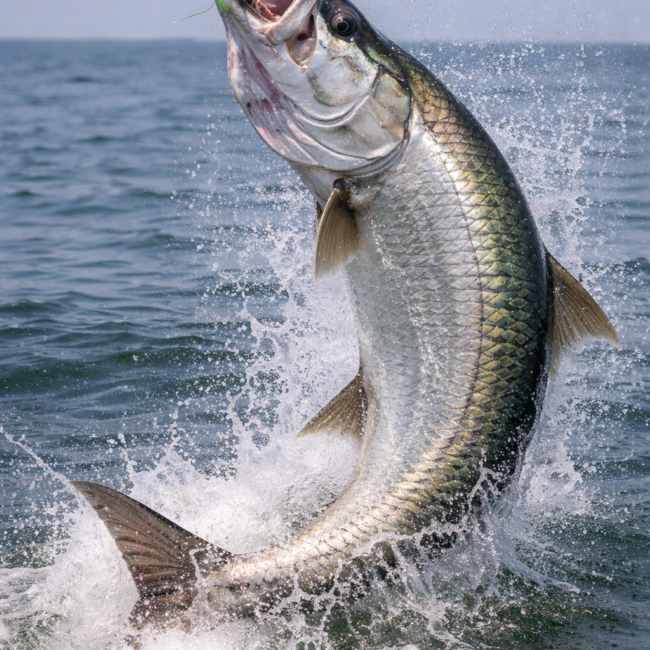
Redfish have slot limits. Snook have closed seasons. Trout have bag limits that vary by region. Tarpon are catch-and-release only unless you have a special tag. A surprise Shark or Jack may show up and test your endurance even though it’s not the fish you came for. The captain will guide you through what’s legal, ethical, and best for the fish, so it’s important to trust their judgment.
When a fish comes over the side, follow the captain’s lead on how to handle it. Some fish should be kept low and calm. Others need a quick photo and a careful release. Some should go on ice immediately. Respecting these differences keeps the fishery healthy and makes the captain confident bringing you to the best spots.
Helping When Appropriate, Relaxing When Needed
Many first-time guests struggle with knowing when to help and when to stay out of the way. On a fishing charter, this balance is simple: follow the captain’s cues. If the captain asks for a hand grabbing a cooler or steadying a rod, go for it. If they’re prepping bait or checking the livewell, give them room to work.
Helping at the right moments shows awareness without disrupting the flow. When in doubt, ask: “Want me to give you space, or hand you something?” Captains appreciate that level of consideration.
And don’t forget that charters are meant to be relaxing. If the captain is working the boat into position, you don’t need to hover. Take a breath, look around, and enjoy the scenery. Watching baitfish skip across a flat or seeing a school of Redfish push water across the grass is part of what makes Tampa Bay so special.
Mindfulness About Food, Drinks, and Personal Items
Simple awareness goes a long way here too. Keep drinks capped, store food in a secure bag, and avoid leaving loose items on seats or hatches. A boat in motion turns unsecured belongings into unexpected projectiles, and spilled drinks near electronics can create a real problem.
Most captains don’t mind a few beverages, but moderation is appreciated. You want to stay sharp enough to cast well, respect the fish, and stay safe. A cold drink in the sun can be refreshing; three too many can turn a great day into a clumsy one.
Keeping a Positive Attitude (It Matters More Than You Think)
Fishing is unpredictable. Some days the Snook are aggressive and the bite is hot. Other days the Redfish feel like they took a vacation. Weather, tides, clarity, and even moon phases can influence the activity. A guest who stays positive, flexible, and patient makes the trip more enjoyable for everyone.
Captains work incredibly hard to adapt to the day’s conditions. When guests stay upbeat and engaged, it keeps energy high and leads to better fishing. It’s amazing how often the bite turns around after a lull, and being ready when it does makes all the difference.
Ending the Trip on a Good Note
A small thank-you goes a long way. Captains appreciate when guests acknowledge the effort that goes into navigating tides, prepping gear, cleaning the boat, and putting people on fish. If the captain cleaned your catch, gave you photos, or stayed out longer to chase a late bite, showing appreciation is always welcome.
If you had a great time, let them know. If you plan to come back, even better. Captains remember the guests who respect the boat, follow instructions, and bring good energy. Those are the people they look forward to seeing again.
Final Thoughts
Being the perfect charter guest isn’t about knowing how to cast perfectly or landing the biggest fish of the day. It’s about awareness, respect, and a willingness to work with the captain and crew. When you show up with the right attitude, stay mindful on the boat, and treat the experience as a shared adventure, the entire day becomes smoother, more productive, and more enjoyable.
Tampa Bay offers some of the best inshore fishing in the country. With good etiquette and a little curiosity, you’ll not only catch more fish, but you’ll also become the guest every captain hopes to welcome aboard again. And who knows—by the end of the trip, you may even feel like part of the team.