Why Florida Has Fishing Regulations
Tampa Bay is a dynamic estuary influenced by tides, weather patterns, habitat conditions, and changing water quality. Fish populations rise and fall with these environmental factors, and responsible management ensures that the system stays in balance.
Regulations exist to:
- Prevent overharvesting of vulnerable species
- Maintain healthy breeding populations
- Protect habitats essential for juvenile fish
- Ensure fair access for all anglers
- Promote long-term sustainability of the fishery
Understanding and following regulations helps maintain consistent opportunities to target Redfish, Snook, Trout, and other prized inshore gamefish year-round.
Bag Limits: Taking Only What the Fishery Can Support
Bag limits specify how many fish of a particular species you’re allowed to keep in a single day. These limits vary by species and are based on scientific surveys that estimate fish abundance, reproductive rates, and overall population health.
For Tampa Bay’s inshore species, bag limits ensure that enough fish survive to spawn, grow, and continue supporting the monumental fishing pressure Florida experiences each year.
How Bag Limits Protect the Fishery
When anglers follow bag limits, several positive outcomes occur:
- Spawning stocks stay healthy
- More fish reach larger, more productive sizes
- Populations stabilize or grow year-to-year
- Species with slow growth rates remain sustainable
Even if a certain species appears abundant, bag limits help buffer against sudden dips caused by temperature swings, red tide, or habitat loss.
Understanding Slot Limits
Many popular inshore species—including Snook and Redfish—are regulated using slot limits. This system ensures that only fish within a specific size range can be harvested. Slot limits protect juvenile fish too small to spawn and larger, highly reproductive adults that contribute disproportionately to the next generation.
Even when a fish falls within the slot, anglers often choose to release it in favor of catch-and-release fishing, especially if they are only interested in the sport.
Seasonal Regulations: Knowing When a Species Is Open or Closed
Certain species have open and closed seasons to protect them during vulnerable periods, especially when they’re concentrated for breeding or when cold temperatures make them easy targets.
Snook are the most well-known example. Their seasons change throughout the year based on spawning cycles and environmental pressures, including cold spells that can heavily impact their population.
Redfish and Trout may also experience modified seasons or closures depending on changes in fish health or abundance. Seasonal adjustments allow species to rebound after challenging conditions like severe cold fronts or harmful algae blooms.
Why Seasons Change
Seasons shift based on:
- Spawning periods when fish need protection
- Population surveys conducted by biologists
- Environmental events such as red tide
- Sudden changes in water temperature
- Long-term population trends
Captains keep up with these regulations, and many will adjust the day’s plan depending on what’s in season and what needs to be released immediately upon capture.
Species-Specific Regulations in Tampa Bay
While regulations change, the following general tendencies will help you understand what to expect when targeting different inshore species.
Redfish
Redfish are typically managed with slot limits and modest bag limits to protect both young fish and breeding adults. These fish often form schools on the flats and can be heavily targeted when conditions are ideal, so regulations help maintain their numbers.
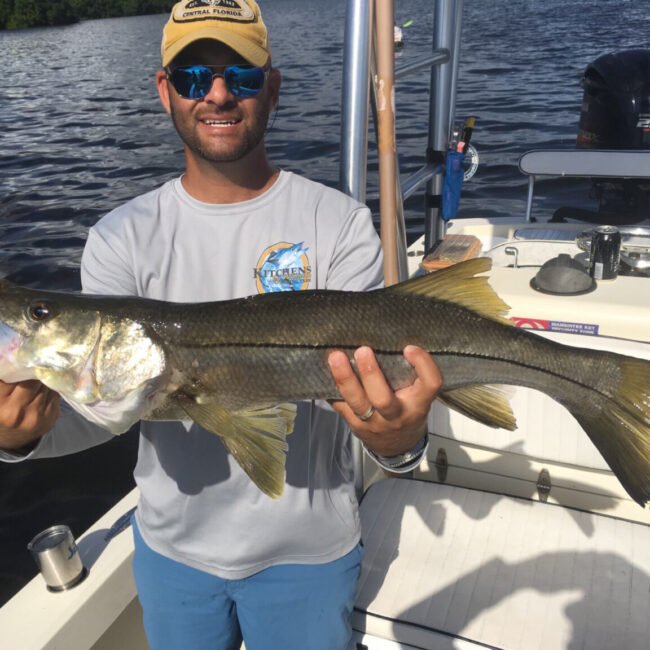
Snook
Snook are highly sensitive to cold temperatures and rely heavily on seasonal protection. When seasons are open, slot limits ensure only a small portion of the population is harvested while larger breeders remain in the system.
Trout
Trout are often managed based on regional populations. Bag limits and size restrictions help maintain a healthy structure of both juvenile and adult fish. These fish are common targets in grass flats and deeper holes, so management keeps their numbers stable despite heavy angling pressure.
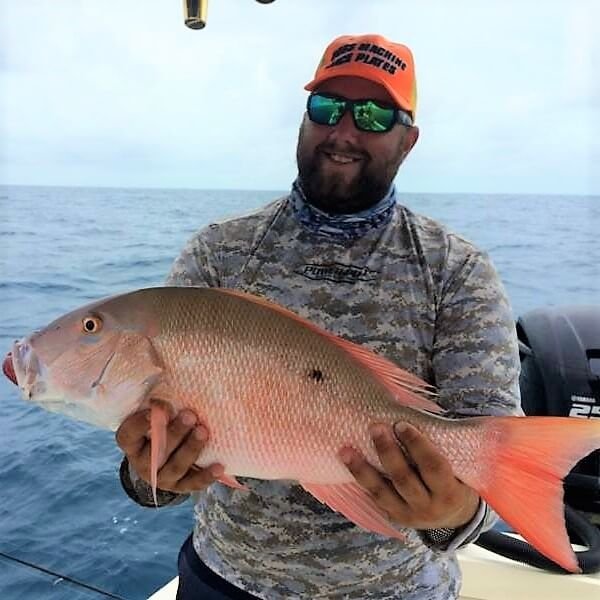
Mangrove Snapper, Sea Bass, and Spanish Mackerel
These species are typically more abundant and handle fishing pressure well. Bag limits still apply, and keeping only what you intend to eat ensures the population stays healthy while providing excellent table fare.
Catch-and-Release Best Practices
Responsible angling means knowing how to release fish in the best possible condition. Even when fishing within regulations, using proper release techniques reduces unnecessary mortality and keeps populations strong.
Tips for Successful Catch-and-Release
- Use circle hooks when fishing with live bait to reduce gut hooking
- Limit time out of the water for photos
- Wet your hands before handling fish to protect their slime layer
- Support the fish horizontally, never vertically by the jaw
- Revive fish by pointing them gently into the current
Proper release technique is especially important for Snook, Redfish, and larger Trout, which are more prone to stress during warm months.
Respecting Closed Areas and Protected Habitats
Certain areas of Tampa Bay are protected to allow fish, birds, and marine life to thrive without heavy human pressure. These include seagrass restoration sites, oyster bar projects, and channels where manatees travel. Respecting these zones protects essential habitat and keeps the ecosystem balanced.
Fishing responsibly is about more than following rules. It’s about recognizing the role anglers play in preserving habitats. Anchoring carefully, avoiding prop scarring in shallow grass flats, and navigating slowly near mangroves all contribute to long-term conservation.
How Captains Stay Current With Changing Regulations
One of the advantages of booking with a charter is that captains stay up-to-date with the latest regulations. They monitor seasonal changes, closures, slot limits, and bag limits constantly. Their knowledge takes the guesswork out of your day and ensures everything caught is handled properly.
Captains also keep track of local fish populations. If a particular species is experiencing stress—whether from cold fronts, red tide, or habitat loss—they may choose to target different fish even if regulations don’t mandate a change.
Why Responsible Angling Matters
Every angler plays a role in preserving the fishery. Taking only what you need, releasing fish carefully, and following seasons and bag limits are all part of maintaining Tampa Bay as a world-class destination for inshore fishing. When anglers embrace these practices, they help conserve the ecosystem for future generations.
Fishing isn’t just about filling the cooler. It’s about connecting with nature, respecting the resource, and understanding your part in sustaining the fishery. Tampa Bay thrives when anglers approach the water with appreciation and responsibility.
Final Thoughts
Florida’s fishing regulations aren’t obstacles—they’re tools that help protect the fish you love to catch. Bag limits prevent overharvesting, seasons safeguard vulnerable species, and responsible angling ensures every fish has the chance to contribute to a healthy population. By learning and respecting these rules, you become part of the solution that keeps Tampa Bay’s inshore fishery vibrant.
Whether you’re chasing Redfish on the flats, drifting for Trout, or exploring mangrove shorelines for Snook, fishing within the regulations ensures that the bay remains a thriving, sustainable fishery for years to come.