Why Weather Matters So Much in Tampa Bay
Tampa Bay’s inshore waters are uniquely sensitive to weather patterns because the bay is:
- Relatively shallow compared to offshore waters
- Rich with estuaries, grass flats, mangrove systems, and oyster bars
- A dynamic mixture of saltwater and freshwater inflow
- A warm climate fishery where temperature changes rapidly influence fish metabolism
Because of these environmental factors, even a single weather front can shift where fish hold, how aggressively they feed, and whether they’re willing to strike artificial lures or require natural baits. Experienced Tampa Bay captains read weather as closely as tide charts—and often even more seriously.
Understanding Weather Fronts in Tampa Bay
A “front” is the boundary between two different air masses. In Florida, the two most important types for anglers are:
- Cold fronts – typically push down from the northwest
- Warm fronts – move in from the south or southwest
Each type of front affects barometric pressure, cloud patterns, and wind direction—all of which Tampa Bay gamefish respond to immediately.
How Cold Fronts Affect Tampa Bay Fishing
Cold fronts are the most influential weather events for inshore fishing. They bring:
- Falling temperatures
- High, rising barometric pressure after the front passes
- Stronger winds, usually out of the northwest
- Crystal-clear skies
Before the Cold Front Arrives: The “Feeding Window”
The 12–24 hours before a front hits often produce the best fishing of the entire month. Pressure begins to fall, winds shift, and the barometer signals an upcoming change. This pushes fish into aggressive feeding mode.
You’ll see:
- Redfish schooling and feeding hard on shrimp and crabs
- Snook pushing into creek mouths and ambushing anything that moves
- Trout striking aggressively over grass flats
- Spanish Mackerel blitzing bait pods in open water
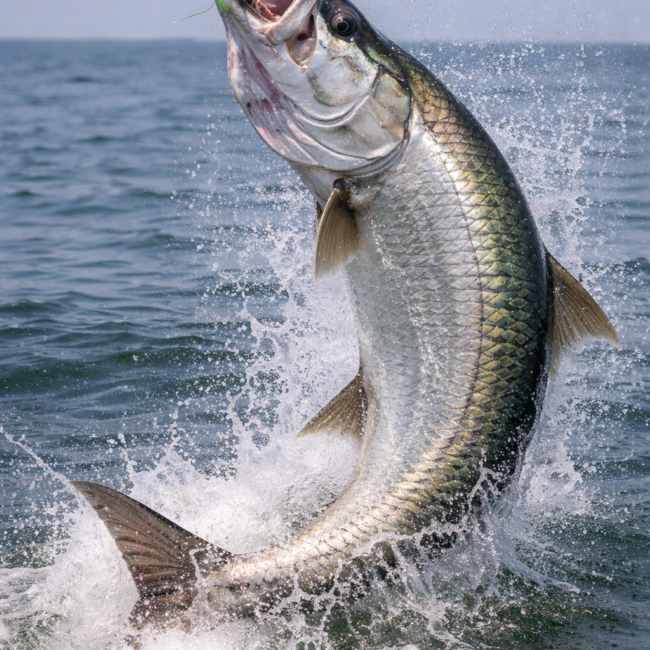
- Tarpon (in warmer months) feeding ahead of pressure changes in deeper cuts
If you have the freedom to choose a charter day, this is the time to go. Even artificial lures often outperform live bait during the pre-front bite.
During the Cold Front: Tough but Fishable
Once the front arrives, the fishing slows noticeably. Strong winds and sudden drops in temperature tend to push fish deeper. Your best bets are:
- Deeper potholes around grass flats
- Residential canals (which hold warmer water)
- Bottom structure like rock piles or old docks
- Wind-sheltered mangrove banks
Species that typically stay active during the front include:
- Black Drum
- Sheepshead
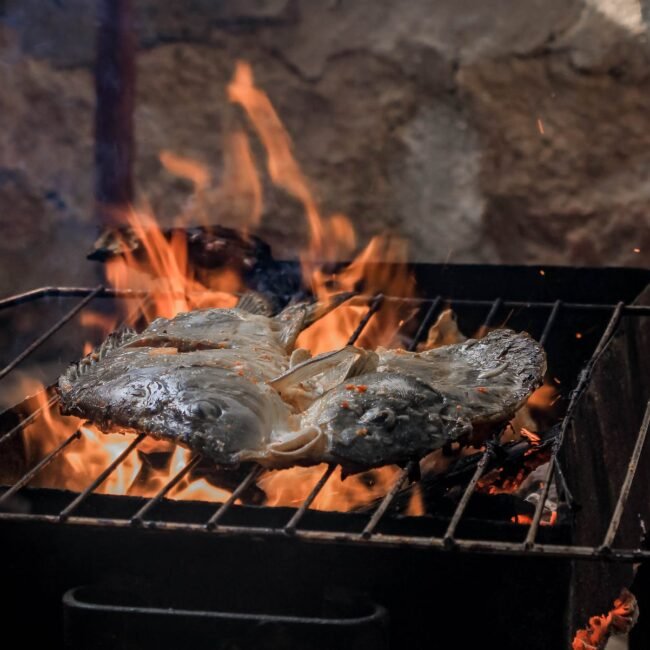
- Flounder
These species rely heavily on structure and tend to feed on crustaceans that remain available regardless of temperature changes.
After the Cold Front: The Most Challenging Period
Post-front conditions bring:
- High pressure
- Bluebird skies
- Northerly winds
- Lower tides
This combination creates the toughest fishing of any period in the weather cycle. Fish become lethargic, spooky, and extremely selective.
Tactics that work well include:
- Small live baits such as shrimp or scaled sardines
- Light leaders to avoid spooking wary fish in clear water
- Slow presentations around structure
- Targeting deeper edges of flats or channels where water holds more warmth
During this time, species such as Grouper, Sea Bass, and Sheepshead may provide more consistent action than the finicky inshore predators.
How Warm Fronts Affect Tampa Bay Fishing
Warm fronts typically bring:
- Increasing temperatures
- Humidity and cloud cover
- Light or shifting winds
- Stable or falling pressure
This creates excellent fishing conditions for most inshore species.
Before a Warm Front: Calm, Stable, and Productive
The period before a warm front often produces:
- Active feeding along mangrove lines
- Strong topwater bites, especially for Snook and Trout
- More consistent action on flats for Redfish
- Increased movement from Tarpon and Cobia (in season)
Cloud cover makes predatory fish feel safer, encouraging them to push shallow even during high sun.
During a Warm Front: Excellent Conditions
Warm fronts stabilize conditions and often generate some of the most reliable bites of the year.
If temperatures rise quickly after a cold spell, expect:
- Snook moving out of canals and back toward staging points
- Redfish tailing and feeding on warming flats
- Trout spreading across mid-depth grass
- Spanish Mackerel slicing through bait pods
- Triple Tail hanging tight near buoys and floating structure
Warm fronts are your green light for aggressive fishing with artificial lures.
After a Warm Front: Water Stabilizes and the Bite Levels Out
Post-front, conditions generally remain good as long as temperatures hold steady. Barometric pressure tends to remain moderate, which helps maintain predictable feeding windows.
How Barometric Pressure Affects Fish Behavior
Fish sense barometric pressure changes through their swim bladders, which regulate buoyancy. Rapid changes—especially falling pressure—signal instability, causing fish to feed heavily.
Here’s how different pressure ranges typically influence Tampa Bay species:
- 29.5–29.9: Active, aggressive feeding
- 30.0–30.2: Normal, stable fishing
- 30.3+: Post-front tough conditions; fish turn sluggish
Predators like Snook and Redfish are especially sensitive to high pressure and clear skies. Meanwhile, bottom-feeders like Sheepshead and Black Drum remain much more consistent regardless of barometer readings.
Wind Direction and Its Impact on Tampa Bay Fishing
Wind direction determines water flow, clarity, temperature distribution, and bait movement. In Tampa Bay, general patterns include:
- North wind: Cooler water, lower tides, tougher fishing
- South wind: Warmer water, stable conditions, active fish
- East wind: Calm mornings and early feeding windows
- West wind: Choppy conditions, dirtier water, but good action near shorelines
Experienced captains constantly read wind patterns to decide which flats, edges, and mangrove systems will hold the most active fish.
Cloud Cover and Sunlight: Shaping Fish Activity Hour by Hour
Light penetration dramatically changes how Tampa Bay’s inshore species behave.
Bright, Cloudless Skies
Expect fish to push deeper or into shaded cover. Snook, Redfish, and Tarpon become more cautious, while Flounder and Sea Bass remain reliable on bottom structure.
Cloudy or Overcast Days
Cloud cover is one of the most productive scenarios in the bay:
- Predators roam freely across shallow flats
- Topwater baits become deadly
- Fish feed longer into the midday hours
Overcast skies mean extended opportunity, especially during warmer months.
How Temperature Swings Influence Feeding Patterns
Temperature is perhaps the most powerful weather-related factor in Tampa Bay. Even a shift of 3–5 degrees can completely change where fish hold.
Sudden Drops in Temperature
Expect:
- Snook retreating into deeper canals
- Redfish grouping tightly in potholes
- Tarpon becoming inactive (unless warm season)
- Sheepshead and Black Drum remaining active
Warming Trends
A few days of rising temperatures often trigger major activity spikes:
- Snook move back onto mangrove edges
- Redfish start tailing and feeding higher in the water column
- Trout spread into more open grassy areas
- Spanish Mackerel and Cobia chase bait schools
Putting It All Together: Choosing the Best Days for Fishing in Tampa Bay
If you want a simple cheat sheet, here’s how to pick the best days:
BEST Days to Fish
- 12–24 hours before a cold front
- Cloudy, warm, or humid conditions
- Moderate barometric pressure (29.8–30.1)
- Stable winds from the south or east
GOOD Days to Fish
- During a warm front
- Early mornings after a temperature rise
- Overcast days with light winds
TOUGH Days to Fish
- 24 hours after a cold front
- High pressure (30.3+)
- Bluebird skies and north winds
Why Booking a Charter Helps You Beat Weather Variability
Weather in Tampa Bay can shift rapidly, especially during transitional seasons. Experienced captains have the advantage of:
- Real-time weather tracking
- Daily knowledge of water temperature and clarity
- Understanding of protected shorelines during wind events
- Seasonal fish movement patterns
- Experience adapting to weather changes hour-by-hour
Even tough post-front conditions can produce excellent days when you know where fish retreat to and how they feed under pressure shifts.
Final Thoughts: Mastering Weather to Master Tampa Bay
Weather fronts are more than just a backdrop—they’re powerful forces that shape every moment of inshore fishing in Tampa Bay. By understanding how temperature, wind, pressure, and cloud cover influence local species like Redfish, Snook, Trout, Black Drum, Tarpon, and Spanish Mackerel, you gain an edge that transforms your time on the water.
Whether you’re booking a charter with Reel Escapes or fishing on your own, reading the weather is the key to consistent success—and to landing the kind of fish Tampa Bay is famous for.
Ready to plan your next trip? The weather may change, but our passion for putting you on fish never does.