The Psychology of Deals Made Outdoors
Before looking at specific stories, it helps to understand why the outdoor setting, and a fishing charter in particular, is so effective for building trust. On the water, everyone is sharing the same experience. You are both watching the same surface ripples, feeling the same heat or breeze, reacting to the same strike from a Snook or the same near miss. That shared challenge creates a subtle sense of “us” instead of “me versus you.”
Nature also lowers defenses. Away from offices and screens, people tend to breathe more deeply and speak more honestly. There is no receptionist announcing the next appointment, no clock on the wall counting down the time slot, no tension from a crowded schedule. A charter has a built-in pace. The tide will move when it moves. The fish will feed when they are ready. Instead of filling every silence with small talk, you are allowed to let conversations rise and fall naturally.
Then there is the way time shifts on a boat. An hour in a meeting often feels rushed and orchestrated. An hour on the water feels open. There may be a few minutes of excitement followed by a long, companionable lull while baits soak or lures are worked along a mangrove edge. Those quiet stretches are when stories appear. Childhood memories slip out. Honest opinions surface. People mention long-term goals instead of short-term talking points. You are not interrogating each other; you are simply sharing space and letting the conversation go where it wants to go.
Finally, the water has a way of stripping away roles and titles. On a charter, a CEO and a junior partner both have to listen to the captain. They both have to untangle lines when a Spanish Mackerel runs across the spread. They both feel the same jolt when a Redfish surges under the boat. That shared vulnerability opens the door for deeper trust.
Friendships and Deals Forged on the Water
History and popular culture are full of examples where important friendships and alliances began not in offices, but on boats and remote trips.
Ernest Hemingway is one of the clearest examples. In the 1930s, he spent countless days fishing the waters off Key West on his boat, the Pilar. One of his closest companions was Joe Russell, a local captain and businessman. Their relationship was built almost entirely on time at sea, chasing fish, talking about life and weather and stories. That friendship shaped Hemingway’s writing, his understanding of Key West and his relationship with the people who lived there. It was not born in a salon or a study. It was built while watching lines, reading the sea and sharing simple, unhurried conversations.
American presidents have also used fishing and outdoor trips as quiet diplomatic tools. Dwight Eisenhower was known for inviting generals and political allies on fishing excursions, believing that casting and wading created a more honest space for discussion than any formal meeting could. Jimmy Carter, another avid angler, often used fishing as a way to connect with staff and rivals alike. On the water, away from reporters and microphones, people spoke differently. They were more candid, more reflective and more willing to listen.
Sports and entertainment figures have done the same. Ted Williams, legendary hitter and equally legendary fisherman, formed long-lasting friendships and business relationships on boats and streams. Conversations about sponsorships, charitable work and future ventures often began with casual talk while working a fly line or watching bait drift. The fishing was the excuse to spend time together; the relationship was the real catch.
In more recent decades, tech founders and executives have embraced wilderness trips as a way to reset and connect. Stories of Bay Area leaders going off-grid to fish, hunt or hike are common. While many of those conversations remain private, the pattern is clear: when people step away from screens and backdrops and step into a natural setting, they tend to talk more freely about strategy, doubt, risk and vision. Shared outdoor experiences create a sense of alignment that is hard to achieve in an office tower.
It is not just individuals, either. Organized retreats for executives and investors often center on fishing or hunting lodges. These gatherings are not billed as “deal summits,” yet many future partnerships, mergers and investments have their first real conversation somewhere between the dock and the first bend in the river. A group might arrive as strangers or loose acquaintances and leave with shared stories and a feeling of connection that makes later business decisions feel more personal and grounded.
Why Fishing Charters Work So Well for Business and Bonds
There are many ways to entertain clients or get to know colleagues. You can take someone to a ball game, a restaurant or a golf course. All of those have their place. But a fishing charter has its own unique advantages for relationship building, especially in a place like Tampa Bay.
For one, a charter forces everyone to step into a lightly structured adventure. You are not just sitting side by side watching something happen; you are participating together. You both listen to the captain’s safety talk. You both learn how the tide and wind will shape the day. You both pick up rods, make casts, adjust to missed bites and celebrate landed fish. That sense of co-authorship makes the experience feel shared rather than delivered.
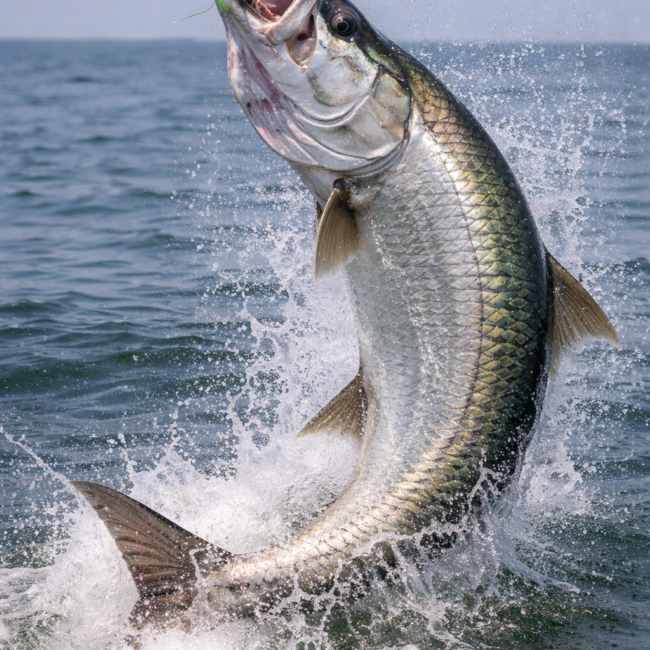
Fishing also introduces small, manageable amounts of pressure. A long fight with a strong Snook, a big Redfish making a run toward the mangroves, a Tarpon rolling just out of range—these moments reveal how people handle stress. Do they tense up and panic when the fish surges, or can they laugh and listen to coaching? Do they blame the gear when something goes wrong, or do they shrug and reset? Watching someone react to those tiny tests tells you a lot about how they might react when a project stalls, a negotiation turns or a market shifts.
At the same time, a charter invites playfulness. People cheer for each other when a rod doubles over. They laugh when a perfectly timed cast lands exactly in front of a feeding Trout. They tell old stories about family fishing trips, or admit it is their first time holding a rod. That mix of light-hearted moments and occasional intensity creates a natural emotional arc that bonds people together.
Quiet periods matter just as much. There are stretches on any trip when the action slows. These pauses are not dead space; they are the fertile ground where more personal conversations grow. It feels natural to slip from talking about lure choices to talking about career decisions, family or long-term plans. The horizon gives you permission to think past this quarter or this contract and talk about bigger arcs: where someone wants to be in five years, what kind of work they actually enjoy, what worries them, what excites them.
Seeing How People Really Are
One of the most powerful aspects of a fishing charter is how it reveals character. In an office, people know how to perform. They know what role they are supposed to play and what posture to adopt. On a boat, that script fades, especially after a couple of hours in the sun and breeze.
You notice how someone treats the captain and crew. Do they listen when safety tips are given? Are they patient when the boat needs to be repositioned, or do they act entitled? When another guest hooks into a big fish, does your colleague genuinely celebrate their success, or do they seem quietly competitive and annoyed? When lines tangle, which they inevitably do, does the person laugh and help or withdraw and blame?
You also see how someone handles disappointment. Maybe the fish do not cooperate right away. Maybe that dream Tarpon shakes the hook at the boat. Maybe a late tide throws off the original plan and the captain suggests a new approach, targeting Spanish Mackerel or Sea Bass instead of the original target species. Does the person adapt easily, or do they complain? Do they trust the captain’s judgment and roll with it, or insist on clinging to the original plan?
These reactions may seem small, but they echo larger tendencies. A person who can adjust gracefully on the water is more likely to adapt gracefully in a project or partnership. Someone who is generous with praise during a fishing fight tends to be generous with praise when a team member lands a win. Someone who can laugh at a missed fish usually handles other minor setbacks without drama.
Fishing Charters as a Tool for Client Relationships
For professionals, fishing charters have become one of the most effective forms of client entertainment and business development. In industries where trust matters—legal services, finance, real estate, consulting, technology and many others—people are constantly looking for ways to deepen relationships beyond polite emails and quarterly reports.
A day on the water together creates a shared story. Long after a lunch is forgotten, a client will remember the morning they watched a school of Redfish push across a flat, or the surprise run from a big Trout that nearly reached the motor. They will remember the quiet moment when the captain pointed out a dolphin surfacing nearby, or the way the sunrise looked over the bay as everyone motored out. Those memories become part of how they feel about you and your firm.
It is important that the charter never feel like a hard sell. The best days are the ones where business talk emerges when it wants to and fades when it does not. Deals discussed on a boat often start as casual “what if” conversations, not formal presentations. The setting makes it possible to talk openly about concerns, timelines or expectations without the stiff feeling of a scheduled negotiation.
For existing clients, a charter can serve as both a thank you and a reset. It says, “I value this relationship enough to share a genuine experience with you,” rather than simply sending another gift basket or holiday card. For potential clients, it offers a way to move past surface-level introductions and begin talking like human beings rather than just roles.
A Place to Build Friendship, Not Just Transactions
At its best, a fishing charter is not just a tool for closing deals; it is a setting where friendships can form. Not every good connection has to lead directly to a contract. Sometimes the most valuable outcome is simply knowing that you have someone you respect and enjoy on the other end of the phone, whether or not a specific piece of business is on the table.
This is why so many powerful people are drawn back to boats, rivers and hunting lodges over and over. They know that, out there, they can drop the carefully controlled version of themselves and simply be. They can talk about worries, ambitions, failures and hopes in a way that feels natural instead of staged. In that space, bonds form that can last years or decades.
In Tampa Bay, a good inshore charter wraps all of this into a single experience. You have the beauty of the bay, the thrill of chasing species like Redfish, Snook and Trout, the unpredictability of weather and tide and the quiet satisfaction of sharing a day that feels real. It is part adventure, part conversation and part mirror, reflecting back who people are when you remove the microphones and lights.
Final Thoughts
Fishing charters have always been more than just a way to catch fish. They are moving rooms where trust is built, where deals are quietly explored, where mentors and protégés connect and where friendships are tested and strengthened. The water slows time, softens edges and encourages people to show their authentic selves.
Whether you are looking to get a better sense of a potential partner, deepen a relationship with an important client or simply invest in a friendship that matters, a day on a charter boat can do more than a dozen meetings ever could. You step aboard as colleagues or acquaintances. You step off with a shared story, a clearer sense of each other and, if the fish cooperate, a few great memories tied to bent rods and bright water.
The next time you think about where real connections are made, picture a quiet stretch of bay, a rod in hand and the easy flow of conversation between casts. That is where people let their guard down. That is where the real deals are often born.