Immediately After the Catch: Keeping Your Fish Fresh on the Boat
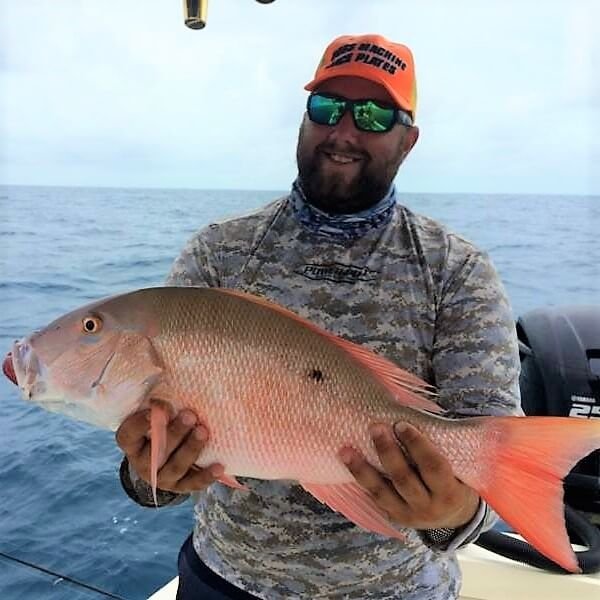
Fish quality starts the moment it’s caught. The faster it’s chilled, the better the taste and texture will be later. On a charter, captains typically handle this part for you by placing your catch in a well-iced cooler or insulated fish box.
Why the immediate chill is important:
- It slows bacterial growth
- Preserves firm texture
- Maintains flavor and color
- Keeps the fillets from becoming mushy
Species like Spanish Mackerel and Trout are especially sensitive to warm temperatures. They soften quickly if left in the sun, so immediate icing is essential.
Letting the Captain Clean and Prep Your Catch
Most Tampa Bay charters include fish cleaning at the dock. Captains know how to properly fillet Redfish, Snook, Trout, Snapper and other inshore species with minimal waste. They’ll remove bones, rib cages and skin when appropriate.
Once cleaned, your fish will typically be placed into sealed bags. From that point on, proper storage is the key to maintaining freshness.
Transporting Your Fish Home: Ice Is Your Best Friend
Leaving the dock with fresh fillets is exciting, but the Florida heat can ruin them fast. Even a short drive without proper cooling can affect safety and quality. Fish should always stay cold—preferably on ice—until you reach your refrigerator or freezer.
How to pack your fish for the trip home
- Use a cooler with a good seal
- Cover fish bags with plenty of ice
- Keep the cooler out of direct sunlight
- Open the lid as little as possible
If you’re visiting from out of town and don’t have a cooler, ask your captain for advice. Many have spare ice bags or can suggest local stores on the way home.
Short-Term Storage: Keeping Fish Fresh in the Refrigerator
If you plan to cook your fish within 24–48 hours, refrigeration is the best option. Fresh fillets from Tampa Bay’s inshore species hold up well when properly stored, but they must stay cold and protected from air exposure.
Refrigerator storage tips
- Keep fish in airtight bags or containers
- Place fish on ice inside the refrigerator when possible
- Store at the coldest part of the fridge (near the back)
- Use within two days for best flavor
Trout and Spanish Mackerel are at their best when eaten as fresh as possible. Firmer fish like Redfish or Sea Bass hold up slightly longer but still benefit from quick use.
Freezing Your Catch: Long-Term Preservation
If you won’t be eating your fish right away, freezing is the way to go. When done correctly, frozen fish can taste nearly as good as fresh. The goal is to prevent freezer burn and protect the fillets from air exposure.
Best practices for freezing fish
- Use vacuum-sealed bags whenever possible
- Remove as much air as you can from standard bags if vacuum sealing isn’t available
- Label each package with species and date
- Lay fillets flat to freeze evenly
Most inshore species freeze very well, including Redfish, Sea Bass, Mangrove Snapper and Snook. Spanish Mackerel should be eaten sooner than later, as their higher oil content shortens freezer life.
Thawing Your Fish Properly
Thawing fish correctly is just as important as freezing it properly. Improper thawing can lead to texture loss or even food safety issues.
How to thaw fish the right way
- Thaw in the refrigerator overnight
- Keep fillets sealed while thawing
- Do not thaw on the counter or in warm water
- Use thawed fish within 24 hours
If you’re short on time, you can place the sealed fish bag under cold running water, but avoid using hot water or microwaving.
Food Safety Tips Every Angler Should Know
Fish is incredibly rewarding to cook, but it must be handled carefully. Tampa Bay’s warm climate makes bacteria grow quickly, so smart food safety practices are essential.
Key safety tips
- Keep raw fish separate from other foods
- Wash hands and surfaces after touching raw fish
- Cook fish to an internal temperature of 145°F
- When in doubt, throw it out
Fresh fish typically smells clean and mild. If fillets smell sour or feel slimy, they may be spoiled.
Cooking Your Catch: Getting the Most From Your Fillets
Once your fish is properly stored and ready to cook, the fun begins. Tampa Bay species offer a variety of flavors and textures that work well with many cooking methods.
Popular cooking methods for inshore species
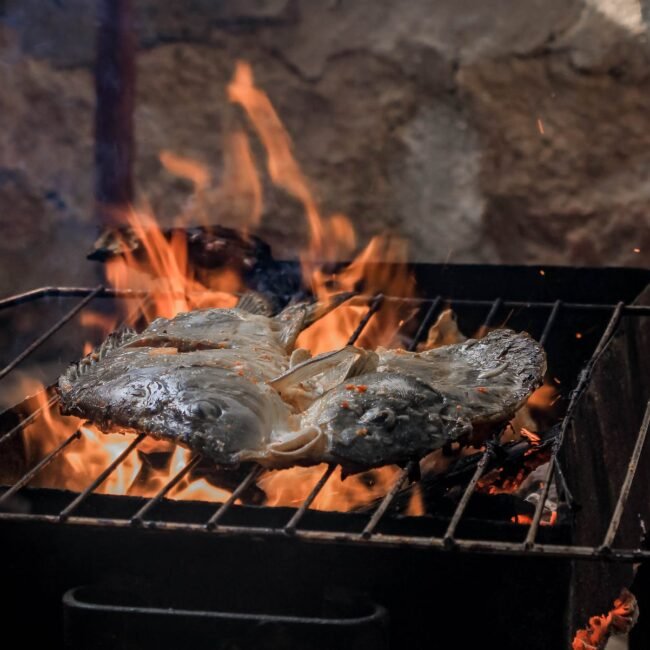
- Grilling Redfish, Snook or Sea Bass
- Pan-searing Trout with citrus and herbs
- Baking Mangrove Snapper with garlic and butter
- Blackening Spanish Mackerel for bold flavor
- Frying smaller fillets for crispy bites
No matter how you cook it, fresh local fish is a reward worth enjoying after a day on the water.
Transporting Fish for Travel or Shipping
If you’re flying home after your trip, you can still bring your fish with you. Many visitors take frozen fillets home in insulated coolers or airline-approved freezer bags.
Travel tips
- Freeze fillets solid before traveling
- Use a soft cooler with gel ice packs
- Check your airline’s rules on transporting fish
- Keep bags tightly sealed to prevent leaks
Properly frozen fillets can stay cold for many hours, especially when insulated. This makes it easy to enjoy Tampa Bay’s fish long after your vacation ends.
Final Thoughts
What you do with your catch after a charter helps determine how fresh, flavorful and safe your fillets will be once you get home. From icing your fish immediately to storing it correctly in the refrigerator or freezer, every step plays a role in preserving quality. Following these tips ensures that the Redfish, Snook, Trout or Snapper you enjoy later tastes just as good as the moment you caught it.
A fishing trip doesn’t end when you leave the water. With proper handling and storage, your catch becomes a delicious extension of the experience, giving you the chance to relive your day on the bay with every bite.