Why Regulations Matter
Florida’s inshore fishing laws, enforced by the Florida Fish and Wildlife Conservation Commission (FWC), are designed to maintain healthy fish populations and protect sensitive habitats. Overfishing, illegal harvesting, and habitat damage can deplete species like snook or harm seagrass beds critical to juvenile fish. By following FWC rules, anglers contribute to a thriving Tampa Bay ecosystem, ensuring the Silver King and other species remain abundant.
Reel Escapes Tip: Always check FWC’s website for updates before your trip, as regulations can change seasonally or due to environmental factors like red tide.
Key Inshore Species and Their Rules
Tampa Bay’s most popular inshore species—snook, redfish, spotted seatrout, and tarpon—have specific size, bag, and season limits to prevent overharvesting. Here’s a breakdown of the 2025 regulations for the Gulf Coast, including Tampa Bay:
Snook
Snook are prized for their explosive fights, but they’re vulnerable to overfishing. FWC sets strict guidelines:
- Size Limit: 28-33 inches (measured from snout to pinched tail).
- Bag Limit: 1 per person per day.
- Season: Open March 1–April 30 and September 1–November 30. Closed December 1–February 28 and May 1–August 31.
- Permit: A $10 snook stamp is required in addition to a saltwater fishing license.
Pro Tip: Use circle hooks to reduce harm during catch-and-release, especially for oversized snook outside the slot limit.
Redfish (Red Drum)
Redfish are a Tampa Bay staple, known for their bullish runs. Regulations balance harvest with conservation:
- Size Limit: 18-27 inches.
- Bag Limit: 1 per person per day.
- Season: Open year-round, but regional closures may apply after events like hurricanes.
Pro Tip: Release oversized “bull” redfish (over 27 inches) to protect breeding stock, vital for population stability.
Spotted Seatrout
Seatrout are abundant and perfect for family charters, but limits prevent depletion:
- Size Limit: 15-19 inches, with one fish over 19 inches allowed per vessel.
- Bag Limit: 4 per person per day.
- Season: Open year-round, except during regional closures (e.g., February in some areas).
Pro Tip: Measure seatrout carefully—fish just under 15 inches must be released to grow into the slot.
Tarpon
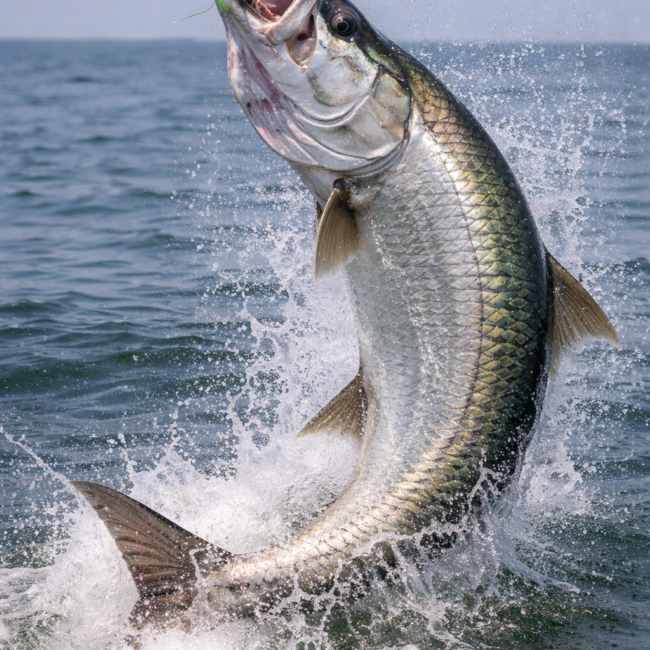
Tarpon, the Silver King, are Tampa Bay’s trophy fish, protected to preserve their iconic status:
- Size Limit: No harvest unless a $50 tarpon tag is purchased (rarely used).
- Bag Limit: Catch-and-release only, except with a tag (1 per person per year).
- Season: Open year-round for catch-and-release.
Pro Tip: Handle tarpon briefly and revive them before release, supporting groups like the Bonefish & Tarpon Trust.
Licensing and Permits
Unless fishing with a licensed charter like Reel Escapes, all anglers 16 and older need a Florida saltwater fishing license. Licenses cost $17 for residents (annual) or $47 for non-residents (annual), with shorter-term options available. Snook and tarpon require additional permits, as noted above. Licenses can be purchased online via FWC’s website or at local tackle shops.
Reel Escapes Advantage: Our charters include all licensing, so you can focus on fishing, not paperwork.
Gear and Bait Restrictions
FWC regulates gear to minimize environmental impact. Key rules include:
- Hooks: Non-stainless steel circle hooks are required for live bait to reduce fish mortality.
- Nets: Cast nets for baitfish must have a stretched mesh size of 1 inch or less.
- Spearing: Spearfishing is prohibited for snook, redfish, and tarpon in Tampa Bay.
Pro Tip: Reel Escapes equips charters with FWC-compliant gear, ensuring hassle-free compliance.
Protected Areas and Boating Rules
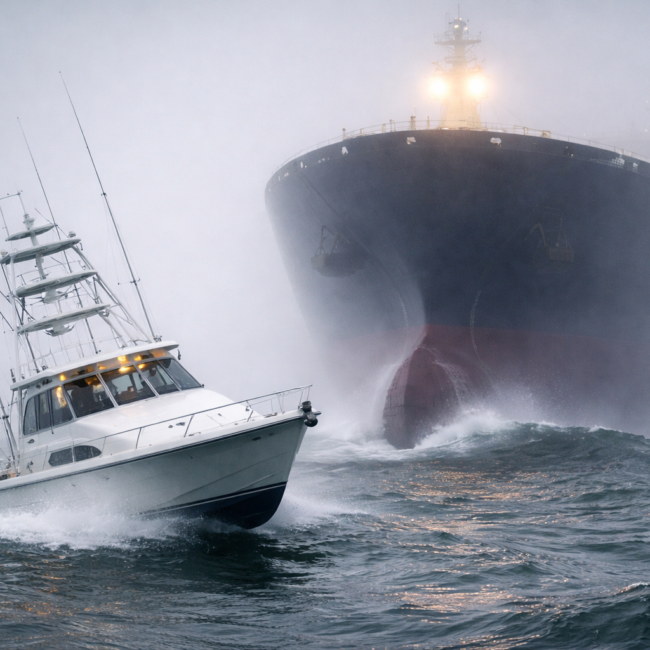
Tampa Bay includes no-fishing zones and manatee protection areas to safeguard wildlife. For example, parts of Weedon Island Preserve are closed to fishing to protect nesting birds. Slow-speed zones near Apollo Beach and Fort De Soto protect manatees, with fines for violations. Boaters must follow FWC boating regulations, including proper navigation lights for night fishing.
Pro Tip: Stick to marked channels and respect “No Wake” signs to avoid disturbing wildlife or incurring penalties.
Conservation: Your Role as an Angler
Tampa Bay’s fishery depends on responsible angling. Beyond FWC rules, Reel Escapes encourages practices like:
- Releasing oversized or undersized fish to support breeding populations.
- Avoiding seagrass beds to prevent propeller damage.
- Using tackle that minimizes harm, like barbless hooks for catch-and-release.
“Every fish we release is a gift to the next angler,” says a Reel Escapes captain. By fishing sustainably, you help preserve Tampa Bay’s magic.
Fishing with Reel Escapes: Compliance Made Easy
Navigating regulations can feel daunting, but Reel Escapes makes it seamless. Our U.S. Coast Guard-certified captains know FWC rules inside out, ensuring every charter complies with size, bag, and season limits. We provide licensed gear, handle permits, and guide you to legal fishing grounds, from Apollo Beach canals to Egmont Key flats. Whether you’re chasing snook or battling tarpon, we craft adventures that respect the bay’s ecosystem.