In-Season Fish Species in Tampa Bay During Spring
Spring in Tampa Bay brings a variety of game fish into prime fishing condition. Water temperatures typically rise from the mid-60s to the high 70s Fahrenheit, stimulating activity among both inshore and nearshore species. Below are the key fish to target during this season:
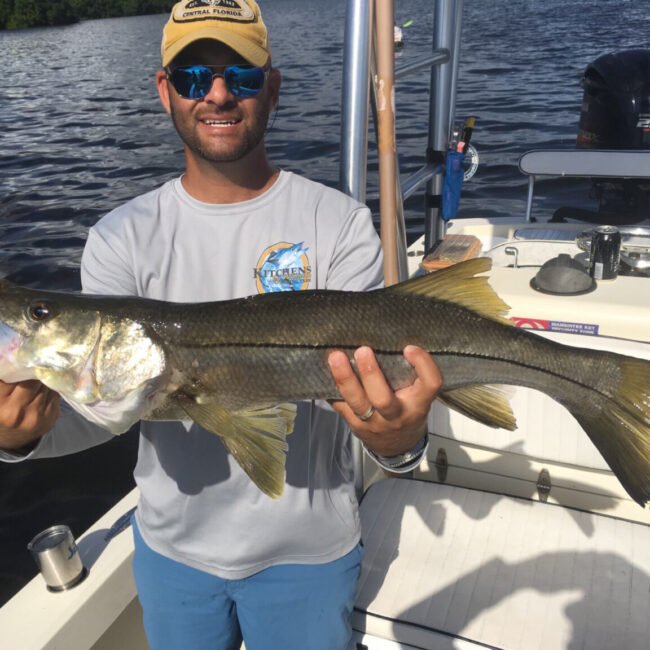
- Snook (Centropomus undecimalis)
Snook are a Tampa Bay staple, and spring marks the start of their pre-spawn feeding frenzy. They move from winter haunts in rivers and canals to flats, mangroves, and beaches. - Redfish (Sciaenops ocellatus)
Redfish, or red drum, thrive in spring as they school on grass flats and around oyster bars, feeding aggressively to recover from winter. - Spotted Seatrout (Cynoscion nebulosus)
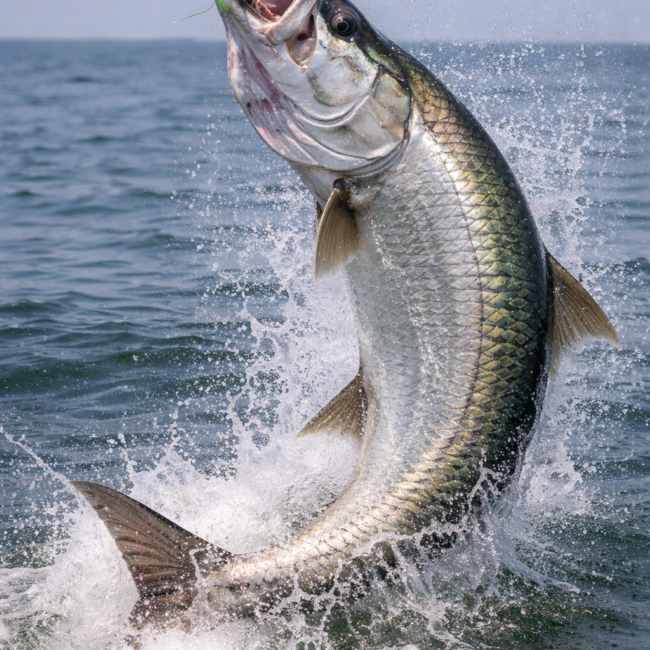
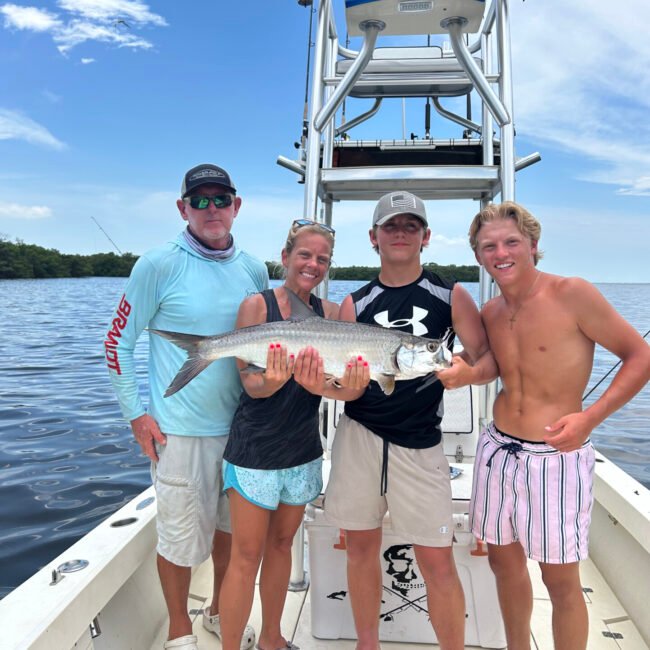
Seatrout are abundant in spring, congregating on shallow grass flats and deeper potholes, especially early in the season. - Tarpon (Megalops atlanticus)
Late spring (April–May) heralds the arrival of tarpon, migrating along beaches and into Tampa Bay’s passes for their annual spawning run. - Spanish Mackerel (Scomberomorus maculatus)
These fast-moving pelagic fish swarm nearshore waters in spring, chasing baitfish schools. - Sheepshead (Archosargus probatocephalus)
Early spring is prime for sheepshead, which gather around docks, pilings, and reefs to spawn.
Optimal Fishing Techniques and Bait for Each Species
Each species requires specific techniques and baits to maximize success. Here’s a breakdown of the best approaches for spring fishing in Tampa Bay:
1. Snook
- Techniques: Sight-fishing along mangrove shorelines or casting to sandy potholes on grass flats works well. Use a stealthy approach, as snook are wary. Topwater lures at dawn or dusk can trigger explosive strikes. For deeper channels, try slow-sinking twitch baits or live bait under a popping cork.
- Bait: Live pinfish, scaled sardines (pilchards), or shrimp are top choices. Artificials like soft plastic jerkbaits (e.g., DOA Shrimp or Fluke-style lures) or topwater plugs (e.g., Rapala Skitter Walk) are highly effective.
- Tackle: Medium-heavy spinning gear with 20–30 lb braided line and a 30–40 lb fluorocarbon leader. A 7–7.5 ft rod offers good casting distance and control.
2. Redfish
- Techniques: Target redfish on shallow flats using a push pole or trolling motor to avoid spooking them. Cast ahead of cruising schools or tailing fish. Drifting with cut bait near oyster bars is effective for larger “bull” reds.
- Bait: Live shrimp, pinfish, or cut mullet work well. Soft plastics like paddle tails (e.g., Z-Man DieZel MinnowZ) or weedless spoons (e.g., Johnson Silver Minnow) excel in grassy areas.
- Tackle: Medium spinning gear with 15–20 lb braid and a 20–30 lb fluorocarbon leader. Use circle hooks for live bait to reduce gut-hooking.
3. Spotted Seatrout
- Techniques: Drift-fish over grass flats with depths of 2–6 ft, targeting potholes or drop-offs. Popping corks with live bait or soft plastics keep lures in the strike zone. Jig heads with subtle twitches mimic injured baitfish.
- Bait: Live shrimp or pilchards under a popping cork are deadly. Soft plastics like MirrOlure Lil John or Gulp! Shrimp on a 1/8–1/4 oz jig head are go-to artificials.
- Tackle: Light spinning gear with 10–15 lb braid and a 20 lb fluorocarbon leader. A 6.5–7 ft rod provides sensitivity for detecting light bites.
4. Tarpon
- Techniques: Sight-fish along beaches or stake out passes like Egmont Key or Pass-a-Grille. Drift with live bait or cast large swimbaits to rolling fish. Be prepared for long fights and jumps—use heavy tackle and keep the boat ready to follow.
- Bait: Live crabs (pass crabs or blue crabs), mullet, or threadfin herring are top choices. Large soft plastics (e.g., Hogy Pro Tail) or DOA Baitbusters mimic natural prey.
- Tackle: Heavy spinning or conventional gear with 50–80 lb braid and a 60–80 lb fluorocarbon leader. A 7–8 ft rod with a strong backbone is essential.
5. Spanish Mackerel
- Techniques: Troll or cast to schools feeding on baitfish near piers, reefs, or channels. High-speed retrieves with shiny lures mimic fleeing prey. Use a wire leader to prevent bite-offs from their sharp teeth.
- Bait: Live pilchards or threadfins work, but artificials like silver spoons (e.g., Clark Spoon), Gotcha plugs, or straw jigs are more practical for covering water.
- Tackle: Medium spinning gear with 15–20 lb braid and a 40 lb wire or fluorocarbon leader. Fast-action rods help with quick casts.
6. Sheepshead
- Techniques: Fish vertically around structure using a knocker rig or dropper loop to keep bait near the bottom. Tap the structure lightly to dislodge crabs and shrimp, enticing bites.
- Bait: Fiddler crabs, live shrimp, or barnacles are ideal. Small hooks (1/0 or smaller) prevent fish from detecting the rig.
- Tackle: Medium spinning gear with 15–20 lb braid and a 20 lb fluorocarbon leader. Use small, strong hooks to penetrate their tough mouths.
Best Times of Day to Fish
Timing is critical for spring fishing success in Tampa Bay, as fish behavior is influenced by tides, light levels, and feeding patterns. Here’s a guide to the best times:
- Early Morning (Dawn to 9 AM): The prime window for most species. Low light reduces fish wariness, and cooling overnight temperatures concentrate baitfish on flats. Snook, redfish, and seatrout are especially active, hitting topwater lures or live bait aggressively. Tarpon often roll at first light along beaches.
- Late Afternoon to Dusk: Another strong period, particularly for snook and tarpon. As the sun lowers, fish move to shallow waters to feed. Spanish mackerel and sheepshead remain active around structure during this time.
- Tidal Movements: Focus on moving tides, especially the incoming tide, which brings baitfish and predators into flats and mangroves. The first two hours of an incoming tide or the last two hours of an