Mistake #1: Treating the Charter Like an Uber With Rod Holders
Some first-time guests step on the boat like they’ve just ordered a ride-share with snacks. They expect to point vaguely at the horizon, say “take us to the big fish,” and then sit down while the universe delivers a limit of Redfish, Trout, and Mangrove Snapper straight to the cooler.
Here’s the secret: Tampa Bay is big, shallow, and constantly changing. Wind direction, tide stage, water clarity, and boat traffic all affect where the fish are and how they behave. Your captain is not a chauffeur. They’re more like a weather forecaster, tour guide, coach, therapist, and stand-up comedian wrapped into one salty human.
When guests show up with a “drive me to the trophies” mindset, they often miss the nuance of what’s happening—the way a slight color change on the flat means feeding Trout, or how a tiny flick of bait on the surface gives away a school of cruising Snook. They spend half the trip wondering why the boat keeps moving instead of realizing the captain is making 3D chess decisions with live fish.
How to Avoid It
- Think of your captain as a partner, not a chauffeur. Ask questions. Be curious.
- Share your goals at the start: “I’d love to catch my first Redfish,” or “I’m here for steady action, not a hero photo.”
- Be open to the captain’s plan. If they say, “We’re going to hit this mangrove edge, then slide to a grass flat,” it’s not random—it’s strategy.
The more you treat the trip like a collaboration instead of a taxi ride, the more the day starts to feel like an adventure instead of a transaction.
Mistake #2: Showing Up Unprepared for the Florida Weather Circus
Tampa Bay specializes in “all four seasons before noon.” First-time guests either show up dressed like they’re headed to the mall in July or like they’re climbing a glacier. Meanwhile, the bay is like, “Surprise! We’re doing wind, sun, clouds, and a light sprinkle in the next 90 minutes.”
Nothing kills the stoke faster than being sunburned, shivering, or soaked because you assumed “Florida = always hot” or “It’s cloudy, I don’t need sunscreen.” The fish don’t care, but your mood will. And believe it or not, how you feel absolutely affects how well you fish.
When you’re comfortable, you cast better, react faster, and enjoy the subtle chaos of a school of Spanish Mackerel blitzing bait at the edge of the channel. When you’re fried, freezing, or soaked, all you can think about is, “Is it rude to ask if we can go in early?”
How to Avoid It
- Bring layers: a light long-sleeve, a windbreaker or rain jacket, and a hat that won’t take flight.
- Use real sunscreen, not wishful thinking. Reapply—Tampa Bay sun reflects off the water like a mirror that hates your skin.
- Polarized sunglasses aren’t a flex; they’re a tool. They help you see fish, structure, and shallow spots where the good stuff happens.
Being weather-prepared doesn’t just make you more comfortable—it makes you dangerous (to fish, in a good way).
Mistake #3: Overestimating Your Fishing Skills (and Underestimating the Fish)
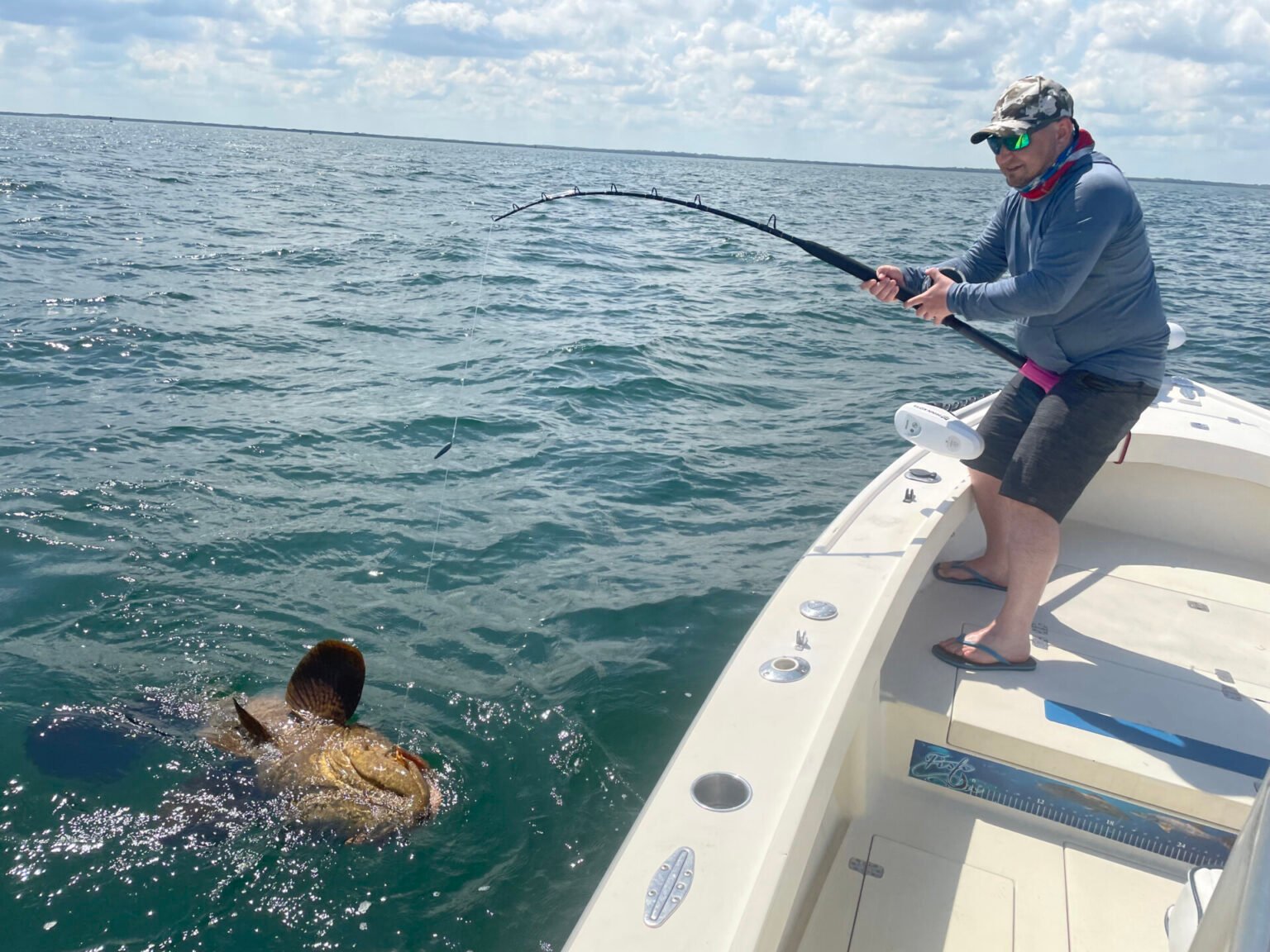
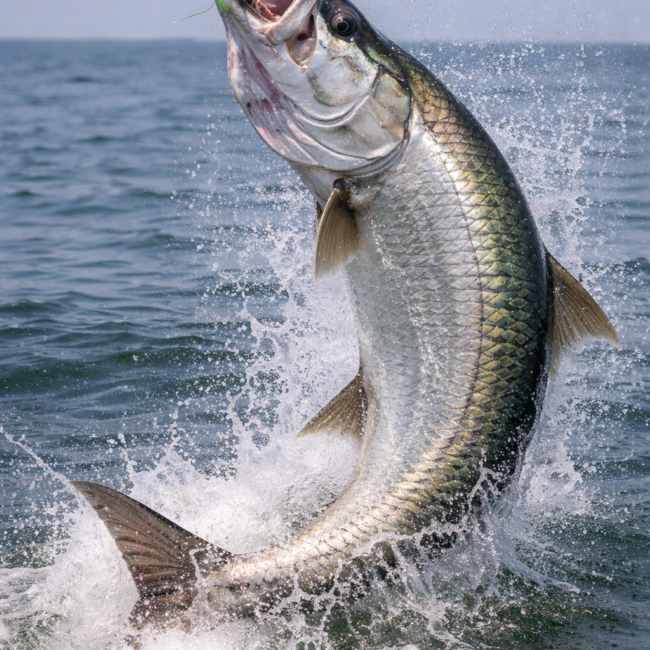
A classic line from first-time guests: “Oh, I’ve fished before.” Sometimes that means they once fed bread to pond bluegill. Then Tampa Bay hands them a rod, a live bait, and a fired-up Snook, and suddenly the fish is doing aerial acrobatics while the guest is doing interpretive dance with the drag.
Inshore species like Redfish, Snook, and Tarpon do not care how many likes your last dock photo got. They will expose bad habits instantly: cranking the drag shut, high-sticking the rod, reeling when the fish is peeling line, or pointing the rod at the fish like a laser pointer of doom.
Overconfidence leads to pulled hooks, broken lines, and the saddest sentence on the water: “That one felt big.” It’s not about being an expert; it’s about being coachable. Your captain wants you to win. They’re literally standing there saying things like, “Tip up, tip down, reel now, stop reeling, let it run!” That’s not nagging; that’s the cheat codes.
How to Avoid It
- Admit what you actually know. “I’m new, tell me what to do,” is the fastest way to become good.
- Listen to the captain during the fight. When a Redfish bulldogs toward the mangroves, timing matters.
- Ask for a quick “how to fight a fish” crash course at the dock. Two minutes of ego-free learning = fewer heartbreaks.
You’re not there to prove anything. You’re there to bend rods, learn fast, and have stories worth retelling.
Mistake #4: Bringing the Wrong Stuff (or Way Too Much Stuff)
Some guests show up with nothing but a phone and vibes. Others arrive like they’re moving aboard—five bags, three coolers, half a tackle shop, and a questionable sandwich. Both extremes make life harder than it needs to be.
For inshore charters, your captain already has the important things: rods, reels, bait, tackle, net, livewell, and a game plan. You don’t need to bring your uncle’s rusty combo “for luck” or a box of lures that have never seen saltwater. You also don’t want to be that person who realizes, two hours into the trip, that they brought every gadget except water.
Extra clutter on the deck leads to tangles, tripping hazards, and that special kind of chaos where a nice Trout eats your bait just as your backpack decides to slide into your ankles.
How to Avoid It
- Pack light and smart: water, a snack, sun protection, a small bag for personal items.
- Ask the captain what’s provided so you don’t duplicate gear or bring stuff that’s not allowed.
- Leave the tackle museum at home. The captain’s gear is tuned for Tampa Bay inshore fishing; use it.
Think “compact and useful,” not “I may be forming a small civilization on this boat.”
Mistake #5: Ignoring the Subtle Stuff (Tides, Silence, and Boat Etiquette)
First-timers sometimes treat the boat like a floating living room—loud stomping, dropping tackle, yelling across the deck, or dragging coolers around while the captain is quietly positioning you on a school of feeding Redfish.
In shallow water, sound travels fast and fish spook easily. That big “thunk” you just made with your drink cooler? That’s a dinner bell for every nervous Sea Bass and Flounder within range to dive under a rock.
There’s also a rhythm to tide and boat position. When the captain says, “Cast right along that edge” or “Drop straight down now,” it’s not a suggestion. It’s timed with current, bait, and where the fish are likely to travel in the next thirty seconds.
How to Avoid It
- Move quietly and deliberately on the boat. Step, don’t stomp.
- Listen for key phrases like “wait for it,” “now,” and “let it sink.” Those are your green lights.
- Respect casting zones so you’re not turning the deck into a knitting project made of braided line.
A little awareness goes a long way. The more you sync up with the boat, the more the bay starts handing out those perfect drifts and money casts.
Mistake #6: Getting Weird About the Cooler (or the Catch)
First-time guests often fall into one of two extremes: the “keep everything that wiggles” camp or the “we must release all fish to ascend spiritually” camp. Meanwhile, Tampa Bay has actual regulations and practical realities.
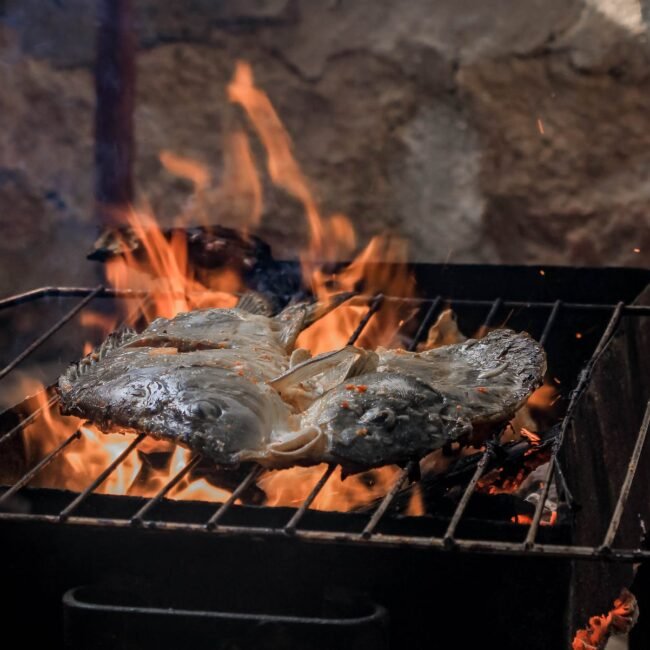
Some species are amazing on the table—think Mangrove Snapper, Trout, or a nice slot Redfish. Others are more about the fight, the photo, and the release, like a big Tarpon or a stubborn Black Drum. Then there are rules about size, season, and bag limits, and those don’t care how good you think that fish might taste.
Awkward moments happen when guests argue with the measuring board, insist on keeping something that needs to go back, or get offended when the captain suggests releasing a fish that’s stressed from the fight.
How to Avoid It
- Decide your vibe before the trip: “We’d love a few fish for dinner,” or “We’re mainly catch-and-release.”
- Trust the captain on what to keep. They know what’s in season and what makes a great meal.
- Embrace that some of the coolest fish—big Tarpon, oversized Snook—are about the battle, the photo, and the release.
You’ll have a lot more fun if you treat the cooler as a bonus, not a scoreboard. A few perfectly filleted fish for dinner beats a pile of questionable choices any day.
Mistake #7: Forgetting You’re on an Actual Adventure (Not a Theme Park Ride)
The most common mistake of all? Treating the charter like just another activity to check off a vacation list, instead of what it really is: a small, wild, unpredictable adventure on living water.
Some days, the Snook are smashing baits under every mangrove root. Other days, a surprise school of Spanish Mackerel lights up a channel edge and you’re suddenly in the middle of a feeding frenzy. Maybe a curious Shark shows up and decides it would like to be part of the story. It’s not scripted—and that’s the point.
First-time guests who expect a perfectly choreographed “catch this fish at exactly 9:15 am” experience miss the magic of the little moments: the way a Trout thumps a jig in knee-deep water, the sound of bait spraying out of the water, the sunrise over the flats, the way Tampa Bay smells right before the tide turns.
How to Avoid It
- Come ready for surprises, not guarantees. The uncertainty is part of what makes it real.
- Celebrate the whole experience, not just the biggest fish: the laughs, the near-misses, the weird bait-stealers.
- Let the day unfold. The best stories rarely go according to the original plan.
You didn’t book a ride. You booked a few hours inside a living ecosystem where anything can happen. Lean into it.
Final Thoughts: How to Be the Guest Every Captain Loves
Avoid these seven classic first-timer mistakes and you instantly upgrade from “new to this” to “welcome back anytime.” Show up prepared, stay curious, listen to your captain, respect the fish, and keep your sense of humor handy. Tampa Bay will do the rest.
When you step onto the boat with realistic expectations, a flexible attitude, and a willingness to learn, something cool happens: you stop worrying about doing it “right” and start actually fishing. That’s when the bites come more often, the fights feel more intense, and the whole day shifts from “charter we booked” to “trip we still talk about.”
If you’re ready to chase Redfish on the flats, pitch baits to tight-holding Snook, or feel the thump of a hungry Trout in Tampa Bay—and you’d like to skip the rookie mistakes—booking with a dialed-in inshore charter is the smartest move you can make.
Show up coachable, prepared, and ready to laugh a little at yourself, and Tampa Bay will happily handle the rest.