
All There Is To Know About Lobstering
A complete guide to Key West spiny lobster season — the differences from inshore fishing, where the lobster go, the laws you need to know, and what to expect the day you step aboard.
Book A Lobster Charter1. How Lobstering Differs From Inshore Fishing
On a typical inshore fishing charter, you're casting a line and waiting for a fish to find you. Lobstering flips that entirely — you go find the lobster. Instead of a rod and reel, the primary tools are your eyes, a mask, and a mesh bag. It's a hands-on hunt across the reef rather than a patient wait at the surface.
There's no baiting a hook or reading a rod tip for a bite. You're swimming the reef, checking ledges and crevices for antennae poking out of the rocks, and physically coaxing the lobster into a net. It's closer to an underwater scavenger hunt than a fishing trip — more active, more physical, and it rewards patience and a sharp eye over technique with tackle.
The other big difference is licensing. A standard saltwater fishing license doesn't cover lobster — harvesting spiny lobster requires that license plus a separate lobster permit (more in Section 5). And because most of the harvesting happens at or below the surface rather than from the rail of the boat, breath-hold diving or hookah diving skills matter here in a way they simply don't for rod-and-reel fishing.
2. Where Lobsters Go & What Time Of Year
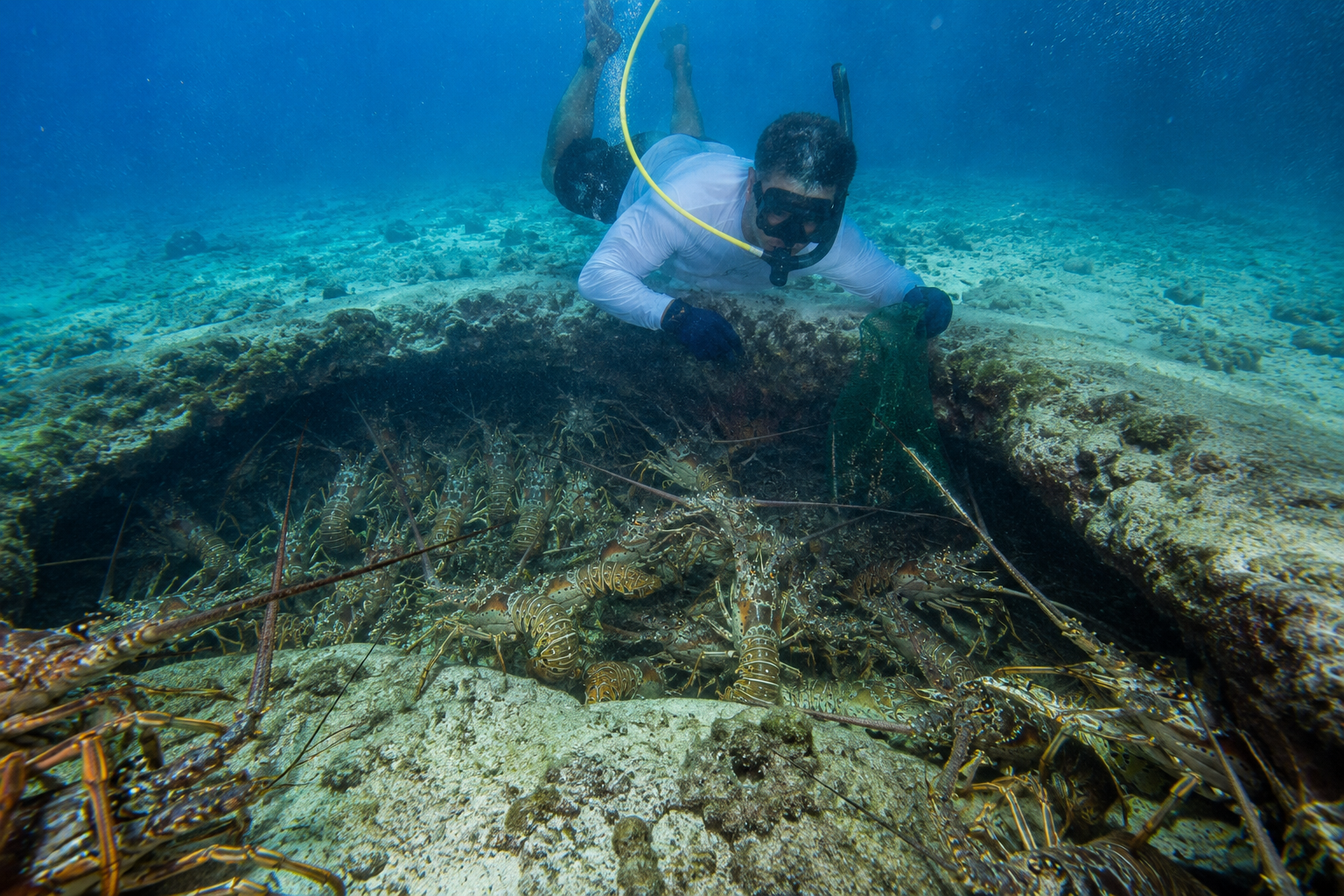
Florida spiny lobster are homebodies during the day and travelers at night. They spend daylight hours hiding in reef ledges, rocky outcroppings, coral heads, and grass-bed structure — anywhere they can back into a hole and leave only their long antennae exposed. Once the sun goes down, they come out to feed, which is why night hours are prized during the regular season (night diving is prohibited in Monroe County during the two-day mini-season only).
Key West and the surrounding Keys reef system is considered some of the best lobster ground in the state, with patch reefs in 10–25 feet of water producing consistently for divers and snorkelers alike.
The Two Seasons
- Two-day sport (“mini”) season: the last consecutive Wednesday & Thursday of July — July 29–30, 2026, running 12:01 a.m. Wednesday to 11:59 p.m. Thursday.
- Regular season: August 6, 2026 through March 31, 2027 — nearly eight months of open water.
Best time of day, practically speaking: early morning starts beat the crowds and the afternoon chop, and visibility tends to be best before the wind picks up. During the regular season, a low-light dawn or dusk dive — or a true night dive — often out-produces the middle of a bright afternoon, since that's when lobster are more likely to be out and moving rather than tucked deep in a hole.
3. Key West Spiny Lobster vs. Maine Lobster
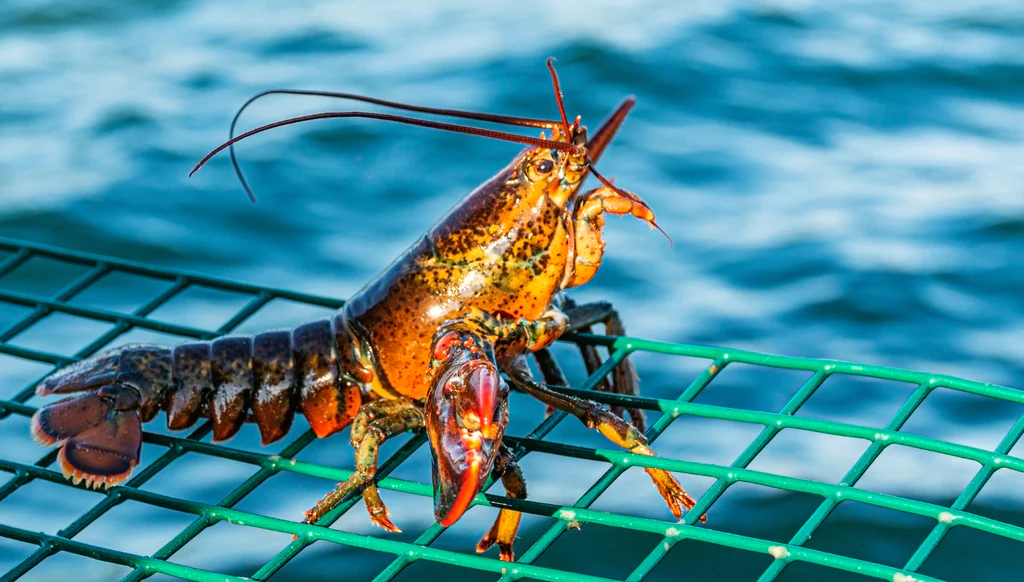
Ask most people to picture a lobster and they'll describe a Maine lobster — the classic clawed, cold-water crustacean of New England. The Florida spiny lobster you'll find off Key West is a genuinely different animal, and the differences matter for how it's caught and how it's cooked.
| Florida Spiny Lobster | Maine (American) Lobster | |
|---|---|---|
| Claws | None — all the meat is in the tail | Large front claws plus tail meat |
| Defense | Long, spiny antennae and a spined shell | Claws |
| Habitat | Warm reef, ledges, and grass beds | Cold rocky bottom, deeper offshore water |
| How it's caught | Hand-caught by free divers/hookah divers | Baited traps hauled from a boat |
| Season | Two-day mini-season, then Aug 6–Mar 31 | Largely year-round, varies by state |
| Behavior | Hides by day, forages at night | Bottom-dwelling, drawn to bait |
The upshot for the table: spiny lobster tail meat is firmer and slightly sweeter than Maine lobster, and since there are no claws to crack, every bit of the work goes into the tail. It's a different eating experience as much as it's a different catching experience.
4. What To Expect On A Lobster Charter
Lobstering with Captain Phil off Key West means free-diving and snorkeling gear, plus the option of hookah — a "supersnorkel" setup that lets you dive to around 70 feet without a scuba backpack. A gas-powered air compressor sits in the boat, feeding a tethered air line down to you, so you can stay down and search methodically instead of surfacing every breath.
You'll wear a swimsuit and dive shirt, get fitted with gloves (spiny lobster earn their name), and be shown how to use the tickle stick and dip net before you ever get in the water. From there it's a matter of covering reef structure, spotting antennae in the cracks, and working as a team — one person easing the lobster out with the stick, the other ready with the net.
Every trip is different, which is part of the appeal. For a sense of how a real day on the water can go — the good and the occasionally hairy — the Key West Lobstering Stories collection has first-hand accounts, including:

Ready to book your own? Full trip details are on the Key West Lobstering Charters page.
5. Laws Governing Lobster Catching
Florida takes spiny lobster regulations seriously, and enforcement is heaviest right in the Keys. Here's the current framework, per the Florida Fish and Wildlife Conservation Commission (FWC):
- License & permit: anyone 16 or older needs a valid Florida recreational saltwater fishing license and a spiny lobster permit (an additional stamp, roughly $5 on top of the license).
- Bag limit: 6 lobsters per person, per day in Monroe County (the Keys) and Biscayne National Park; 12 elsewhere in Florida.
- Minimum size: carapace must measure larger than 3 inches, measured in the water, before it goes in the bag. A measuring gauge must be carried at all times.
- Whole condition: lobster must be landed whole. Separating the tail from the body on the water is prohibited.
- Egg-bearing females: harvest or possession of any egg-bearing lobster is prohibited, no exceptions — release immediately.
- Legal gear only: hands, tickle stick, net, and snare. Any device that could puncture, penetrate, or crush the shell — including spears and hooks — is prohibited.
- Dive flag: a properly displayed divers-down flag is required whenever anyone is in the water; boaters must stay at least 300 feet clear.
- Closed areas: harvest is prohibited at all times in Everglades National Park, Dry Tortugas National Park, no-take zones in the Florida Keys National Marine Sanctuary, and the Biscayne Bay/Card Sound Lobster Sanctuary. John Pennekamp Coral Reef State Park is closed during the two-day mini-season specifically.
Regulations can and do shift year to year — always confirm current rules at myfwc.com before you go, or ask your captain, who tracks this closely every season.
6. What Not To Do
- Don't pool your catch — bag limits are per licensed person actively harvesting, not per boat. "Extra for a friend" is a citation.
- Don't guess on size — measure every lobster in the water. Bringing one up to check it on deck, then releasing it if it's short, still counts as harvesting.
- Don't keep an egg-bearing female, even a large one. Look under the tail before it goes in the bag.
- Don't use a spear, hook, or gig on lobster — even if it's the same rig you'd use for lionfish. Puncturing the shell is illegal regardless of intent.
- Don't touch, stand on, or grab coral for leverage while working a ledge. It's the reef that's holding the lobster in the first place.
- Don't dive at night in Monroe County during the two-day mini-season — it's allowed in the regular season, but not during those two days.
- Don't tamper with commercial traps, even out of curiosity. Molesting a trap is treated as a serious offense regardless of whether anything was taken.
- Don't skip the dive flag, and don't assume nearby boaters see you without one properly displayed.
7. Lobster Equipment
Everything you need is either provided aboard or easy to pick up before your trip:
Hookah / Supersnorkel
A gas-powered air compressor on board feeds a tethered air line down to divers, allowing dives to roughly 70 feet without scuba tanks. One unit can serve up to three divers at a time.
Tickle Stick & Snare
A slim aluminum rod used to coax a lobster backward out of its hole, with a built-in manual snare on the opposite end for a second method of catching.
Dip Net
Positioned behind the lobster as it's tapped out of its hole — spiny lobster instinctively dart backward when startled, right into the net.
Dive Gloves
Spiny lobster are covered in sharp spines and their antennae can cut. Heavy-duty gloves protect your hands during the catch and while checking for eggs.
Lobster Gauge
Required by law, on your person, at all times. Every lobster gets measured in the water before it ever reaches the bag.
License & Permit
Your saltwater fishing license and spiny lobster permit — paperwork you'll want sorted before you ever step on the boat.
Ready To Get In The Water?
Captain Phil runs Key West lobster charters through the mini-season and the full regular season. Gear, guidance, and 25+ years of local reef knowledge included.
Book Your Lobster Charter
All There Is To Know About Lobstering
Seasons, laws and permits, Key West spiny lobster vs. Maine lobster, gear, and what to expect on a real charter — all in one downloadable guide.
Download The Free eBook
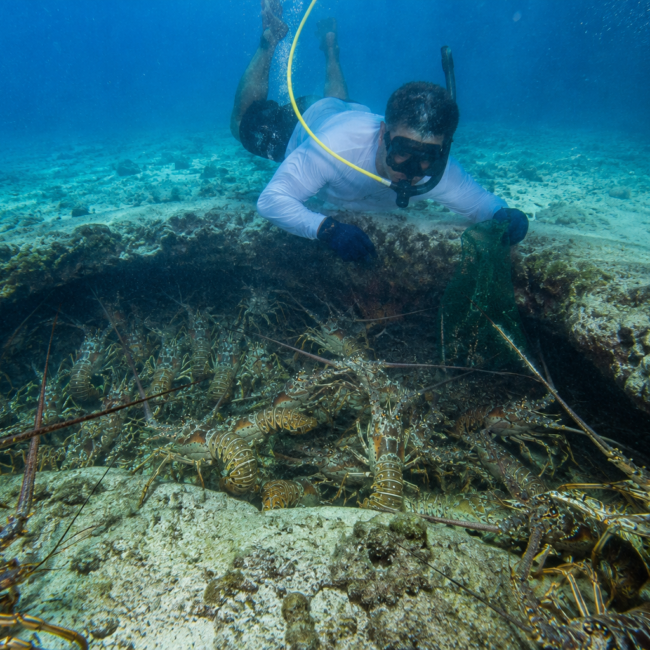
The Missing Lobster Diver: Key West Lobstering Stories From Captain Phi
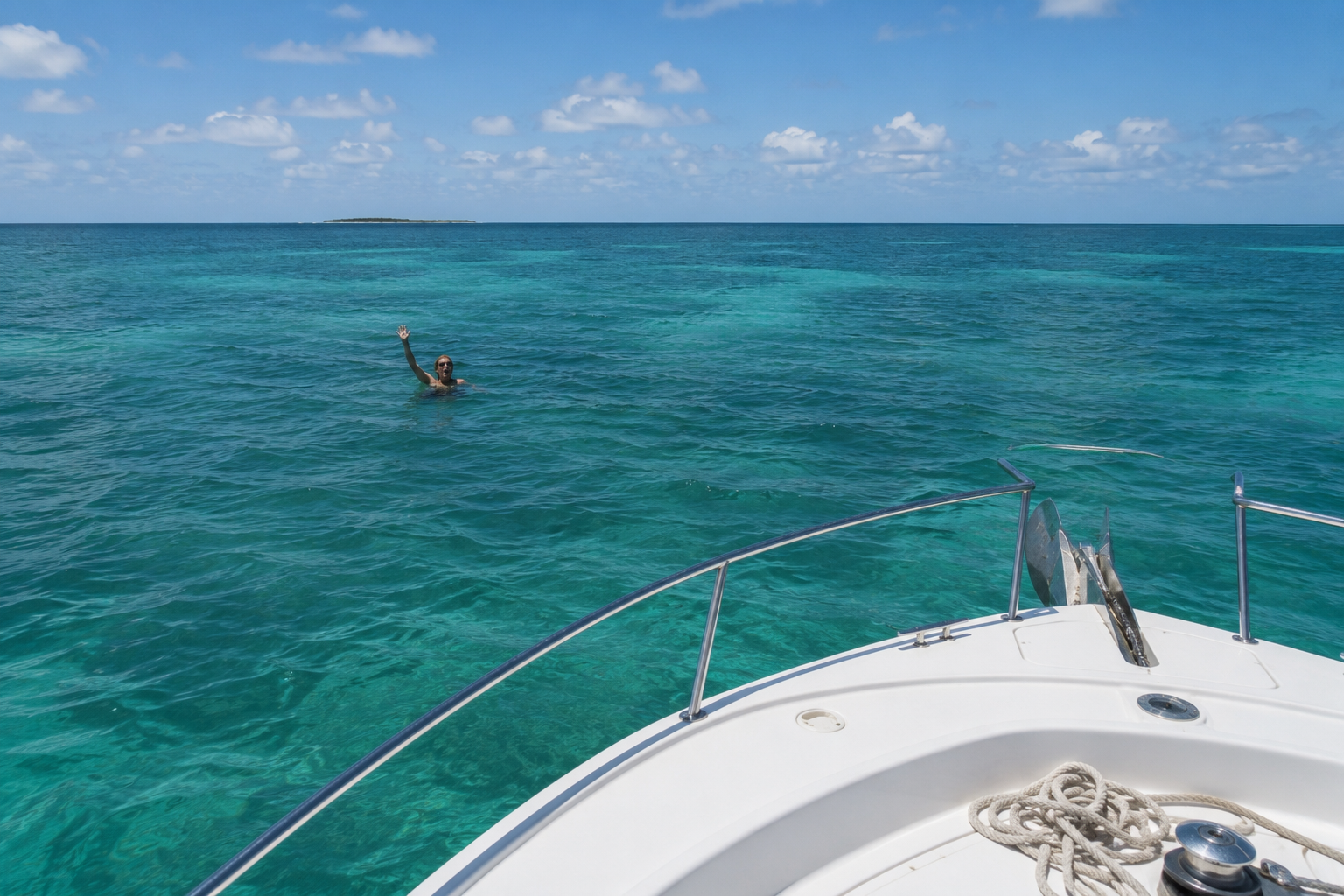
Captain Phil was running a lobster charter out of Key West during the heart of lobster season. The weather was beautiful, the water was clear, and dozens of boats were spread across the reef system as
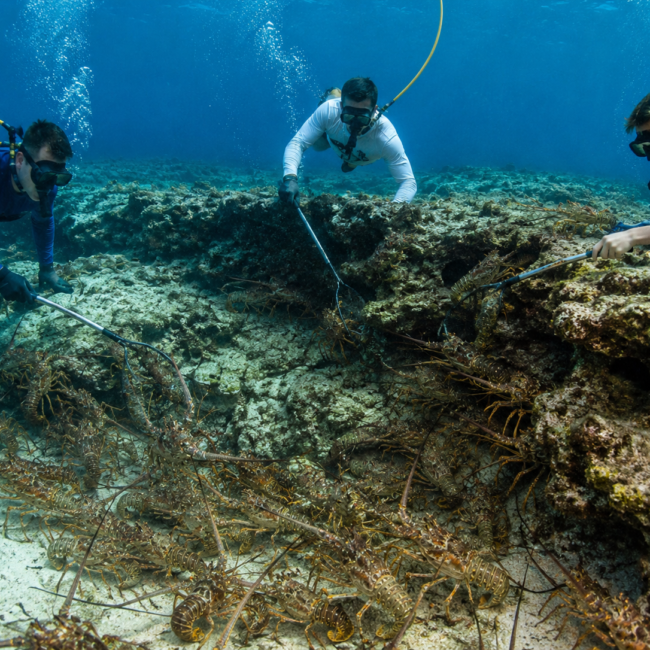
The Lobster Hole: Key West Lobstering Stories From Captain Phil
Most lobster charters require a little work. This one was practically over before it began. Captain Phil was spending the summer in Key West during lobster season when he welcomed a group of business
The Atlantic Shelf Jackpot: Key West Lobstering Stories From Captain Phil
The charter was supposed to last four hours. Instead, the guests were back at the marina with their limit of lobster before most lobster charters are even getting started. Every summer, Captain Phil s
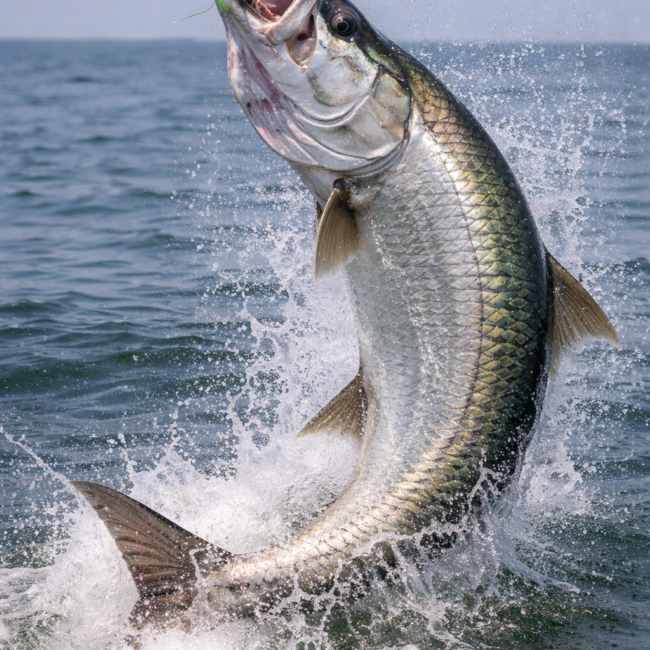
The Tarpon That Wouldn’t Let Go
The tarpon hit like it meant to end the day right there. It was supposed to be a clean, controlled beach-side setup—one of those mornings off Key West where everything lines up just enough to give y
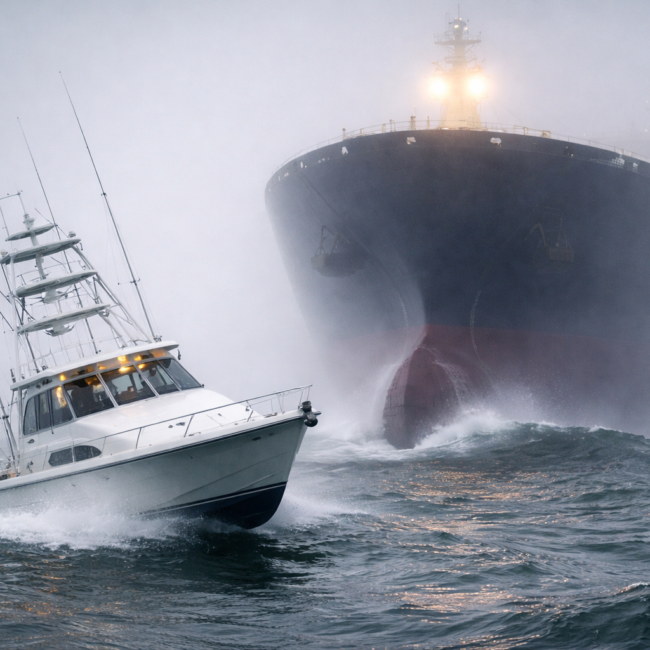
Fog Of War: Real Fishing Stories From Captain Phil
They weren’t just lost in fog. They were in a shipping lane. The day didn’t start with any warning. It was the late 1990s, and Captain Phil had run offshore out of Key West countless times before.
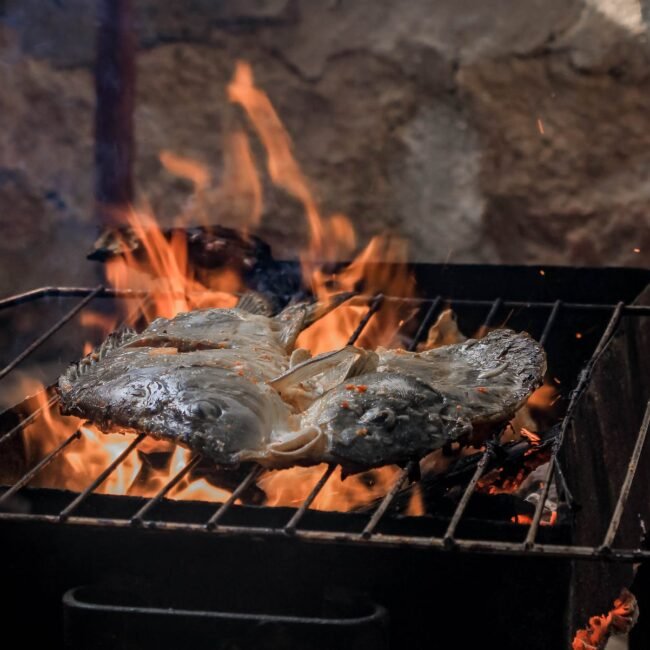
The Ultimate Guide to Catch-and-Cook Restaurants in Tampa Bay That Prepare Your Fresh Fish
One of the best parts of fishing in Tampa Bay is enjoying the reward after the trip.
Fishing Charters For Business: Why Fishing Charters Create Bonds, Close Deals, and Reveal Who People Really Are
There is a quiet truth that people in business, politics and entertainment have known for a long time: if you really want to understand someone, take them out of their usual environment.
Preserving Your Catch After a Charter: Storing, Transporting, and Food Safety Tips For Your Fish
This guide breaks down the best ways to store, transport and prepare your fish so you get the most out of your catch without losing quality or risking food safety issues.
The Real Cost of Running a Fishing Charter: Fuel, Gear, Maintenance & Hidden Expenses
Understanding what it takes to operate a charter helps you appreciate the expertise, equipment, and effort that go into every trip.